
MSME
Registered

Wedline
Registered

We Deliver
Clutch

28+ Reviews

250+ Projects
Completed

125+ Happy
Clients
MSME
Registered
Wedline
Registered
We Deliver
Clutch
28+ Reviews
250+ Projects
Completed
125+ Happy
Clients
Date: 16-04-2026
The logistics industry is undergoing a massive digital transformation. With rising customer expectations, increasing competition, and the demand for faster deliveries, logistics companies are under constant pressure to optimize operations and improve efficiency.
One of the most significant shifts in recent years is the adoption of mobile applications for real-time operations. These apps are not just a technological upgrade—they are becoming the backbone of modern logistics systems.
From fleet tracking to inventory updates and instant communication, mobile apps enable businesses to operate with unprecedented speed and accuracy. Companies investing in inventory management software development solutions are gaining a competitive edge by integrating mobile-first strategies into their operations.
In this in-depth guide, we’ll explore why logistics companies are investing heavily in mobile apps, the benefits they offer, and how they are reshaping the future of real-time operations.
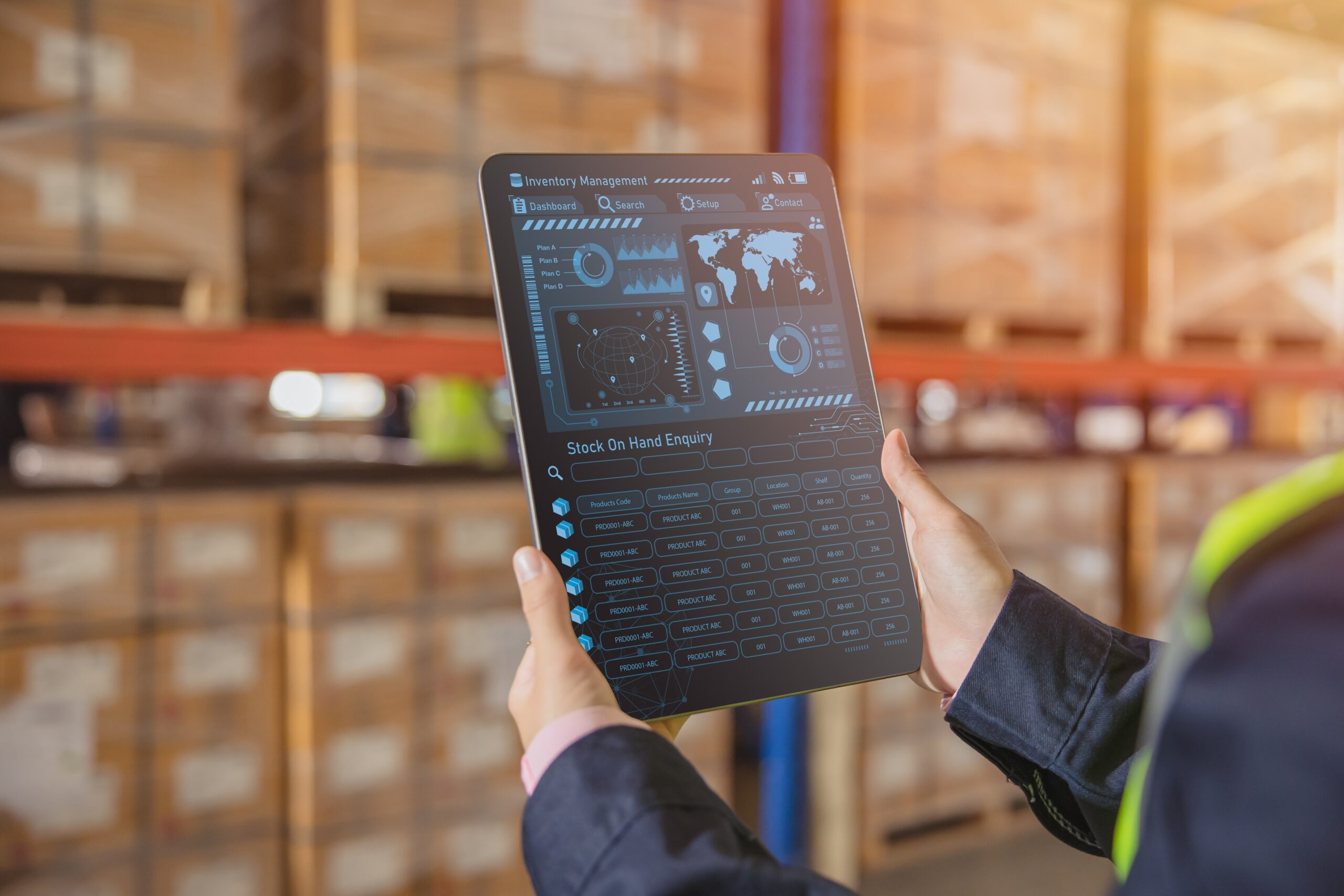
Modern logistics is no longer just about moving goods from point A to point B. It involves managing complex supply chains, coordinating multiple stakeholders, and meeting strict delivery timelines.
Real-time operations have become essential due to several factors:
Mobile apps provide the infrastructure needed to meet these demands effectively.
Logistics mobile apps are software applications designed for smartphones and tablets that enable real-time monitoring, communication, and management of logistics operations.
These apps are used by drivers, warehouse staff, managers, and customers to access critical information instantly.
| App Type | Purpose |
|---|---|
| Driver Apps | Navigation, route updates, delivery confirmation |
| Warehouse Apps | Inventory tracking, barcode scanning |
| Fleet Management Apps | Vehicle tracking and performance monitoring |
| Customer Apps | Order tracking and delivery updates |
| Admin Apps | Analytics and operational control |
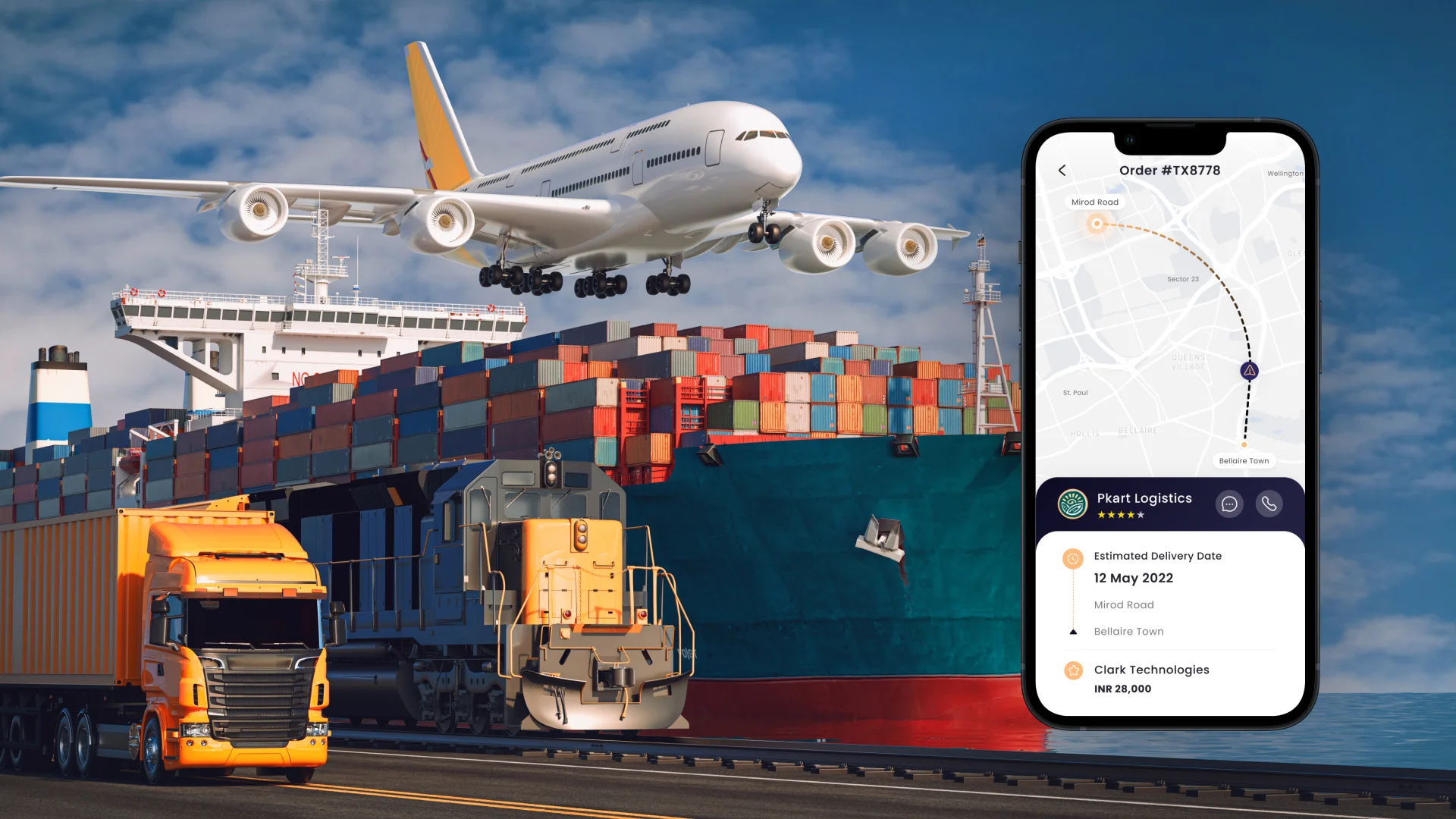
One of the biggest advantages of mobile apps is real-time visibility. Logistics managers can track vehicles, shipments, and inventory at any given moment.
This transparency helps businesses respond quickly to delays, reroute deliveries, and keep customers informed.
Mobile apps enable instant communication between drivers, dispatchers, and customers. This eliminates delays caused by miscommunication and ensures smoother operations.
Automation of tasks such as order updates, delivery confirmations, and reporting reduces manual effort and errors, leading to improved efficiency.
Access to real-time data allows managers to make informed decisions quickly, whether it’s rerouting a vehicle or reallocating resources.
Customers can track their orders in real-time, receive notifications, and communicate with delivery personnel, leading to higher satisfaction.
Investing in mobile apps is not just about convenience—it directly impacts the bottom line.
| Cost Factor | Impact of Mobile Apps |
|---|---|
| Fuel Costs | Optimized routes reduce fuel consumption |
| Labor Costs | Automation reduces manual workload |
| Error Costs | Real-time data minimizes mistakes |
| Delay Penalties | Improved scheduling reduces late deliveries |
| Paperwork | Digital processes eliminate paperwork expenses |
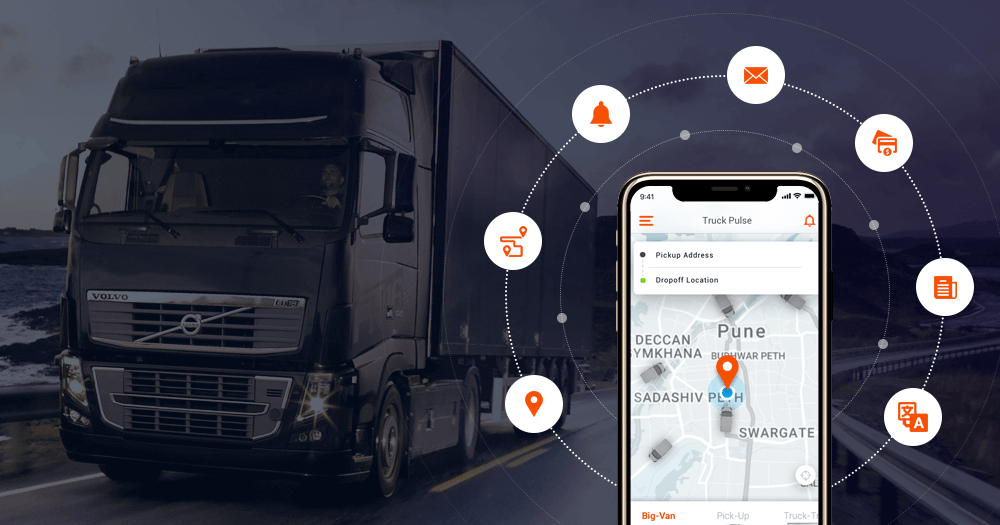
Provides accurate location data for vehicles and shipments.
Keeps users updated with real-time alerts and updates.
Ensures accurate inventory management and tracking.
Allows operations to continue even without internet connectivity.
Provides insights into performance metrics and operational efficiency.
| Benefit | Description |
|---|---|
| Faster Deliveries | Real-time updates reduce delays |
| Improved Accuracy | Automation minimizes human errors |
| Higher Productivity | Streamlined workflows increase output |
| Better Resource Utilization | Efficient allocation of vehicles and staff |
| Customer Satisfaction | Transparency builds trust |
Mobile apps address several long-standing challenges in logistics:
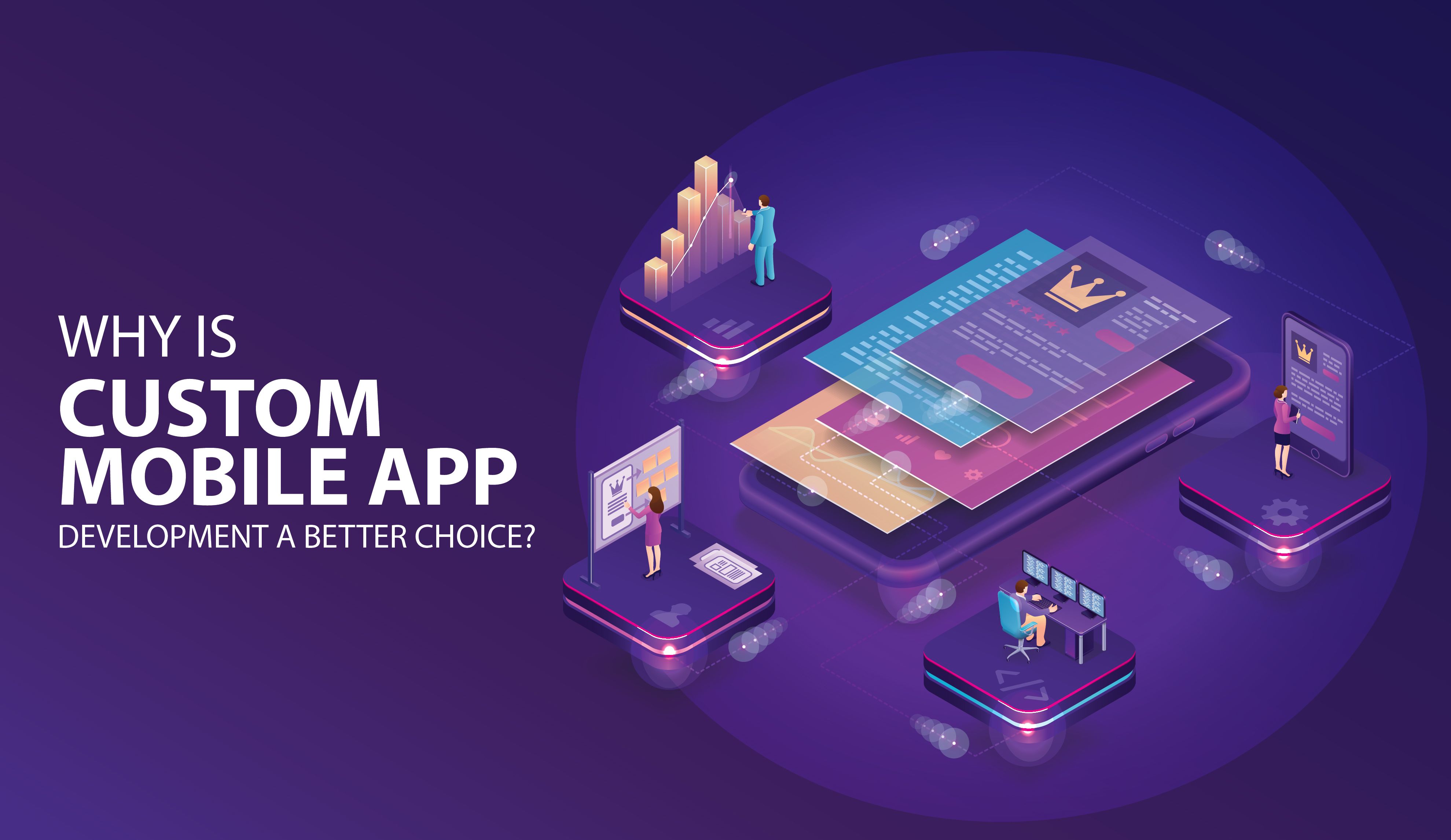
While generic solutions are available, custom mobile apps provide better alignment with business needs.
Custom-built apps ensure that logistics companies can adapt quickly to changing market demands.
The future of logistics mobile apps is driven by innovation and emerging technologies:
When investing in a logistics mobile app, consider the following:
Ready to take your logistics operations to the next level with powerful mobile apps?
BM Coder specializes in developing custom logistics and inventory management solutions designed for real-time efficiency and scalability.
Get in touch today:
📧 Email: [email protected]
📱 WhatsApp: +91 9586979730
Let us help you build smarter logistics solutions that drive growth and efficiency.
The logistics industry is rapidly evolving, and mobile apps are at the forefront of this transformation. By enabling real-time operations, improving efficiency, and reducing costs, these apps are helping businesses stay competitive in a demanding market.
Companies that invest in mobile technology today are positioning themselves for long-term success. Whether it’s improving delivery speed, enhancing customer experience, or optimizing resource utilization, mobile apps are the key to unlocking the full potential of modern logistics operations.
Now is the time to embrace this digital shift and build solutions that drive real results.
Author: parth
