
MSME
Registered

Wedline
Registered

We Deliver
Clutch

28+ Reviews

250+ Projects
Completed

125+ Happy
Clients
MSME
Registered
Wedline
Registered
We Deliver
Clutch
28+ Reviews
250+ Projects
Completed
125+ Happy
Clients
Date: 20-03-2026
Healthcare is evolving rapidly, and hospitals are constantly looking for ways to improve patient engagement and streamline operations. One of the most effective solutions is the development of hospital mobile apps. These apps allow patients to access medical information, communicate with care providers, schedule appointments, and even pay bills—all from their smartphones.
BM Coder, a leading software development company, specializes in building robust mobile apps for hospitals that enhance patient engagement and operational efficiency. Learn how your hospital can benefit by contacting us via email or WhatsApp.
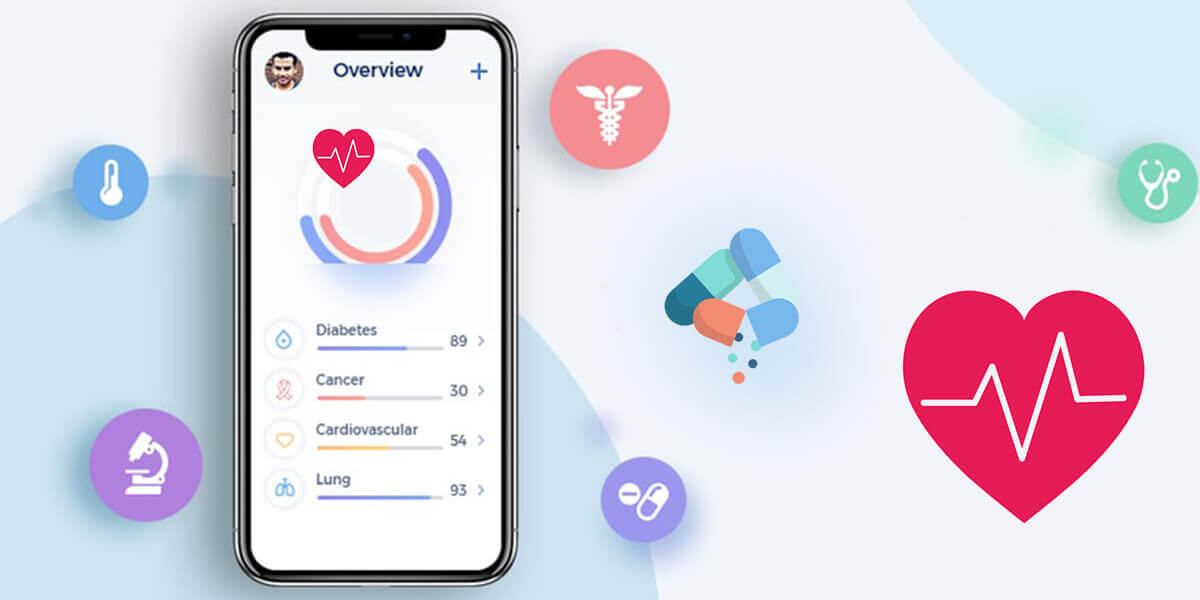
A hospital mobile app is a digital platform that allows patients and healthcare providers to interact seamlessly. These apps are designed to improve patient experience, optimize workflow, and provide critical information at the fingertips of users. Features typically include:
Before mobile apps, hospitals faced several obstacles in engaging patients effectively:
| Challenge | Impact |
|---|---|
| Manual Appointment Scheduling | Increased waiting times and missed appointments. |
| Limited Patient Communication | Patients had no real-time access to providers, delaying responses to health queries. |
| Paper-Based Records | Difficulty accessing and managing patient medical history led to inefficiencies. |
| Low Patient Engagement | Lack of digital tools reduced adherence to treatment plans and patient satisfaction. |
Hospital mobile apps enhance engagement by providing convenient, real-time access to healthcare services. The key benefits include:
Patients can book, reschedule, or cancel appointments within the app. Push notifications remind patients of upcoming visits, reducing missed appointments and improving workflow efficiency.
Patients can view their medical history, lab results, imaging reports, and prescriptions anytime. This transparency empowers patients to make informed decisions about their healthcare.
Direct, encrypted communication between patients and providers improves response times and ensures confidentiality. This reduces unnecessary visits for minor queries.
Mobile apps enable video consultations, expanding access to care for patients in remote locations or with mobility constraints. Telehealth reduces the strain on in-person visits while maintaining quality care.
Patients can request prescription refills, track medications, and receive reminders. This improves adherence to treatment plans and reduces medication errors.
| Feature | Benefit |
|---|---|
| Patient Dashboard | Provides an overview of appointments, prescriptions, test results, and health goals. |
| Push Notifications | Reminds patients of appointments, medications, and health alerts. |
| Appointment Scheduling | Enables convenient booking and rescheduling with real-time updates. |
| Secure Messaging | Facilitates confidential communication between patients and providers. |
| Telemedicine | Supports virtual consultations for increased accessibility. |
| Health Tracking | Allows patients to monitor vitals, chronic conditions, and lifestyle metrics. |
| Billing & Payments | Streamlines payment processes and insurance claims. |
| Educational Resources | Provides patients with reliable health information and guidance. |
| Stakeholder | Benefit |
|---|---|
| Patients | Convenience, timely access to health information, and improved communication with providers. |
| Healthcare Providers | Streamlined workflow, reduced administrative tasks, and enhanced patient adherence. |
| Hospitals | Higher patient satisfaction, better resource management, and improved overall healthcare outcomes. |
A regional hospital faced challenges with missed appointments and low patient engagement. After implementing BM Coder’s hospital mobile app:
| Before Mobile App | After Mobile App |
|---|---|
| Missed appointments: 12% per month | Missed appointments reduced to 3% per month |
| Patient communication delays: 24–48 hours | Real-time messaging reduced response time to under 2 hours |
| Manual billing and insurance claims | Automated billing within the app improved efficiency by 40% |
| Low patient satisfaction: 70% | Patient satisfaction increased to 95% |

Security is crucial for hospital apps. Essential measures include:
| Security Feature | Purpose |
|---|---|
| Data Encryption | Protects patient information in transit and storage. |
| Two-Factor Authentication | Prevents unauthorized access. |
| HIPAA Compliance | Ensures adherence to healthcare privacy regulations. |
| Audit Trails | Monitors activity and ensures accountability. |
| Regular Security Updates | Prevents vulnerabilities and cyber threats. |
Consider the following when selecting a hospital mobile app:
| Criteria | Considerations |
|---|---|
| User Experience | Intuitive design suitable for all patient demographics. |
| Integration | Seamless connection with EHR, billing systems, and telehealth platforms. |
| Security | HIPAA compliance, encryption, and secure authentication. |
| Scalability | Ability to accommodate growing patient volumes and new features. |
| Vendor Support | Reliable technical support, updates, and maintenance. |
Hospital mobile apps are revolutionizing patient engagement by providing convenient access to health information, improving communication, and streamlining healthcare operations. Hospitals that implement mobile apps benefit from better patient satisfaction, higher efficiency, and improved outcomes.
BM Coder specializes in developing custom hospital mobile apps that enhance patient engagement and operational efficiency. Take the first step toward modernizing your healthcare delivery by contacting us via email or WhatsApp today.
Author: parth
