
MSME
Registered

Wedline
Registered

We Deliver
Clutch

28+ Reviews

250+ Projects
Completed

125+ Happy
Clients
MSME
Registered
Wedline
Registered
We Deliver
Clutch
28+ Reviews
250+ Projects
Completed
125+ Happy
Clients
Date: 13-04-2026
In today’s highly competitive logistics and supply chain landscape, operational efficiency is no longer optional—it is essential. Warehouses serve as the backbone of logistics operations, handling inventory storage, order fulfillment, and dispatch. However, traditional warehouse management methods often struggle to keep up with increasing demand, leading to inefficiencies, errors, and delays.
This is where warehouse management software (WMS) plays a critical role. By digitizing and automating warehouse operations, businesses can significantly improve inventory accuracy, picking speed, and dispatch efficiency.
If you're planning to integrate warehouse operations with transportation systems, exploring fleet management software development solutions can help create a fully connected logistics ecosystem.
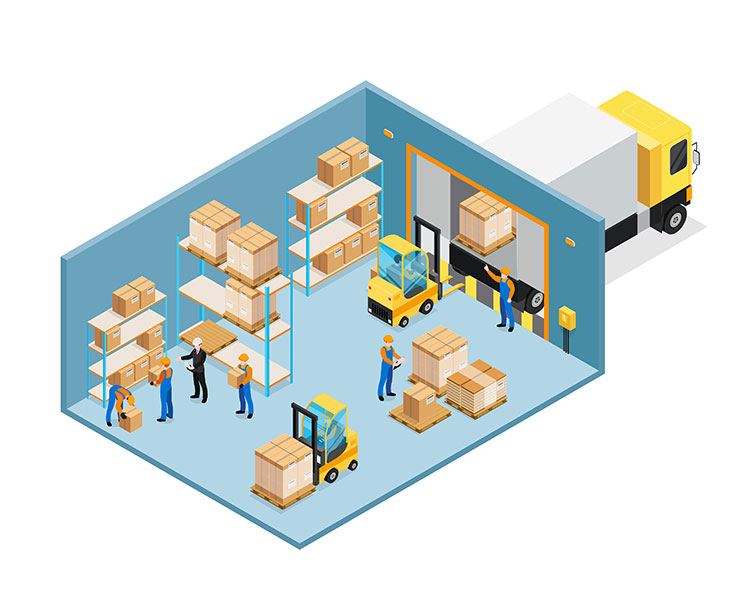
Warehouse Management Software (WMS) is a digital solution designed to manage and optimize warehouse operations. It provides real-time visibility into inventory levels, streamlines picking and packing processes, and ensures efficient dispatch of goods.
A modern WMS integrates with other logistics systems such as Transportation Management Systems (TMS), Enterprise Resource Planning (ERP), and fleet management tools.
Before understanding how WMS improves efficiency, it’s important to look at common challenges faced by warehouses without proper software:
| Challenge | Impact |
|---|---|
| Manual Inventory Tracking | Errors and stock discrepancies |
| Inefficient Picking | Delayed order fulfillment |
| Lack of Real-Time Data | Poor decision-making |
| Disorganized Storage | Wasted space and time |
| Dispatch Delays | Customer dissatisfaction |

WMS provides real-time visibility into inventory levels, locations, and movements. This eliminates guesswork and ensures accurate stock data.
Every transaction—receiving, picking, or shipping—automatically updates inventory levels, reducing manual errors.
Advanced WMS solutions analyze demand patterns to optimize stock levels and prevent overstocking or stockouts.
Using barcode scanners and RFID technology improves accuracy and speeds up inventory tracking.
Picking is one of the most labor-intensive and time-consuming processes in a warehouse. WMS significantly enhances picking efficiency through:
WMS calculates the most efficient routes for pickers, reducing travel time within the warehouse.
Orders are grouped to minimize repetitive tasks and improve productivity.
Advanced systems use visual or voice-guided instructions to speed up picking and reduce errors.
Automated validation ensures the correct items are picked, improving order accuracy.
| Picking Method | Efficiency Level | Best Use Case |
|---|---|---|
| Manual Picking | Low | Small warehouses |
| Batch Picking | Medium | Medium-scale operations |
| Wave Picking | High | Large warehouses |
| Automated Picking | Very High | High-volume fulfillment centers |
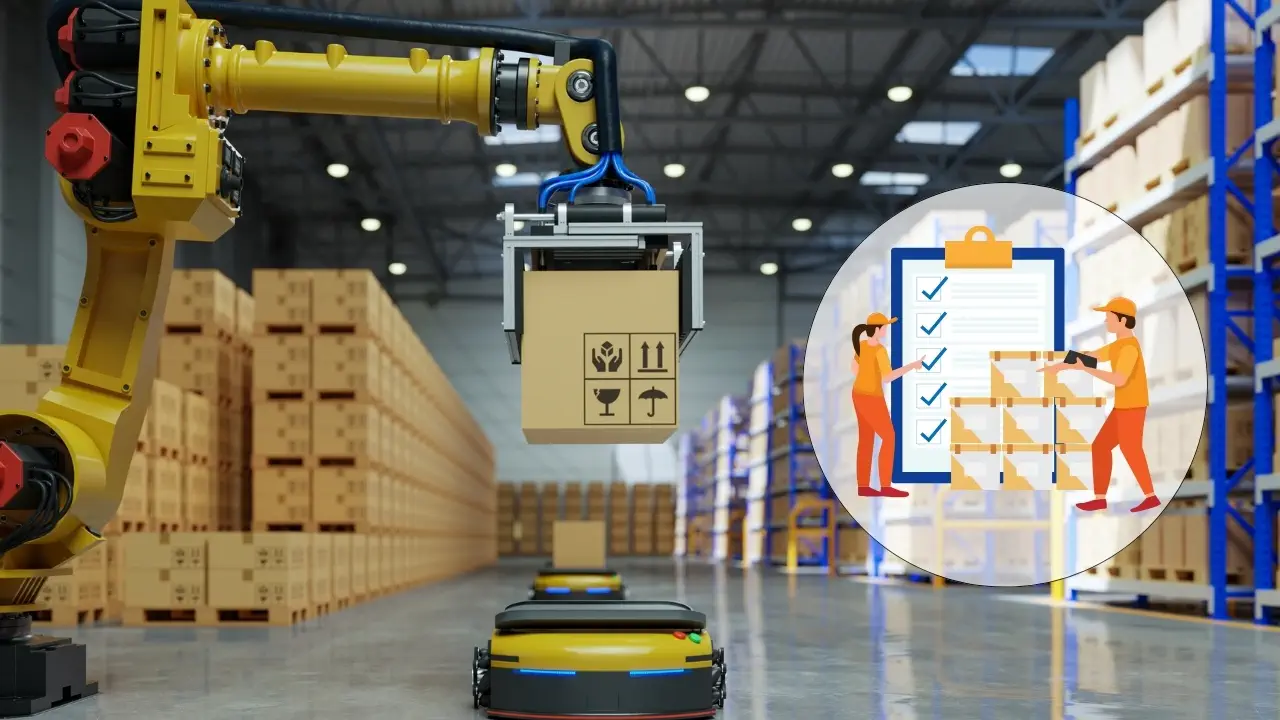
Dispatch is the final step in the warehouse process, and delays here can impact the entire supply chain. WMS improves dispatch efficiency in several ways:
Orders are processed automatically, reducing manual intervention and speeding up dispatch.
WMS integrates with transportation and fleet management systems to ensure timely deliveries.
Businesses and customers can track shipments in real-time, improving transparency.
WMS helps optimize loading of goods to maximize space and reduce transportation costs.

| Benefit | Impact |
|---|---|
| Increased Accuracy | Reduced errors in inventory and orders |
| Faster Operations | Improved picking and dispatch speed |
| Cost Savings | Reduced labor and operational costs |
| Scalability | Supports business growth |
| Better Customer Experience | Timely and accurate deliveries |
The cost of implementing a WMS depends on several factors:
| Factor | Impact on Cost |
|---|---|
| Features and complexity | Higher features increase cost |
| Customization | Custom solutions cost more |
| Integration | More integrations add complexity |
| Deployment type | Cloud is more cost-effective |
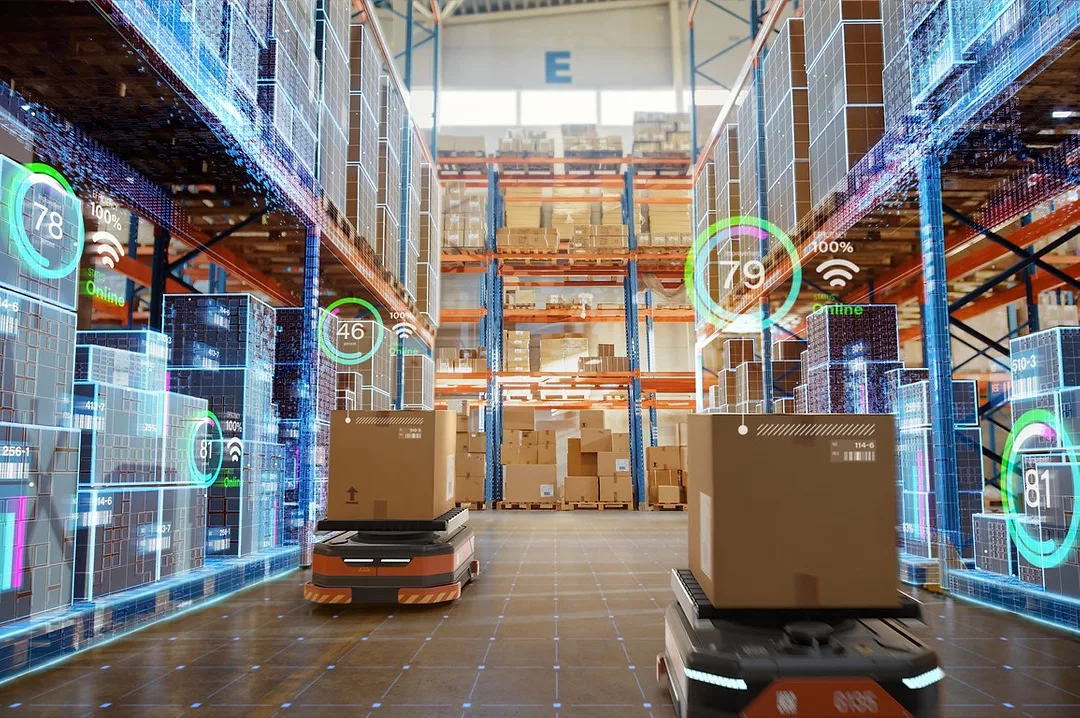
The future of warehouse operations is driven by advanced technologies:
These innovations will further enhance efficiency and reduce operational costs.
BM Coder is a leading software development company specializing in logistics and warehouse solutions. We help businesses build scalable and efficient warehouse management systems tailored to their needs.
Warehouse software is a game-changer for logistics businesses. By improving inventory management, optimizing picking processes, and enhancing dispatch efficiency, WMS enables companies to operate more effectively and deliver superior customer experiences.
Investing in the right warehouse management solution is essential for staying competitive in today’s fast-paced logistics environment.
Partner with BM Coder to build a powerful warehouse management solution that boosts efficiency and drives growth.
📧 Email: [email protected]
📱 WhatsApp: +91 9586979730
Author: parth
