
MSME
Registered

Wedline
Registered

We Deliver
Clutch

28+ Reviews

250+ Projects
Completed

125+ Happy
Clients
MSME
Registered
Wedline
Registered
We Deliver
Clutch
28+ Reviews
250+ Projects
Completed
125+ Happy
Clients
Date: 07-04-2026
In today’s competitive supply chain ecosystem, startups cannot afford long development cycles or massive upfront investments. Speed, agility, and validation are critical. This is where the concept of a Minimum Viable Product (MVP) becomes a game-changer—especially in logistics.
Building a logistics MVP allows startups to test their ideas in real-world conditions, gather feedback, and scale efficiently without burning capital. In this comprehensive guide, we’ll explore how startups successfully build logistics MVPs to launch faster, reduce risk, and achieve product-market fit.
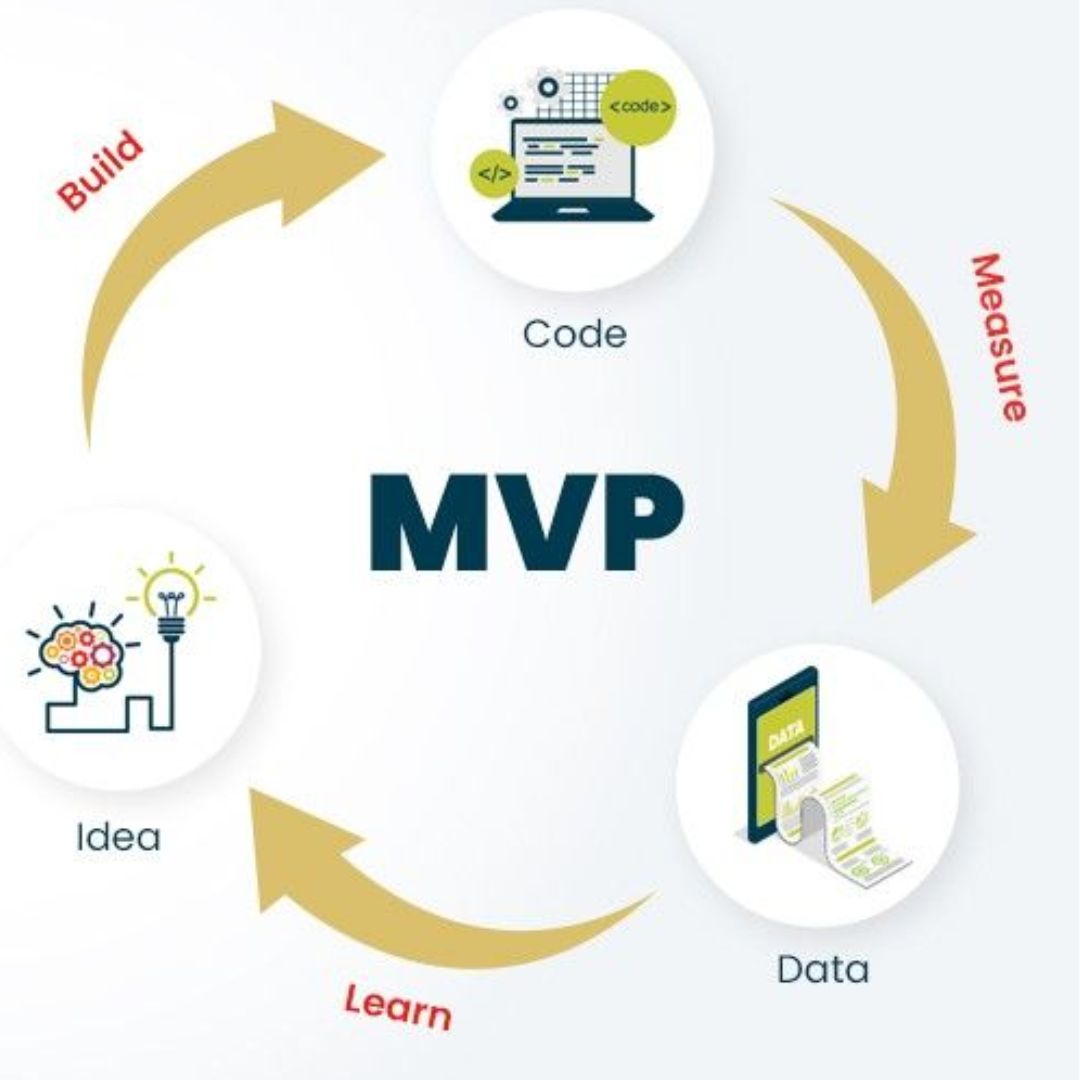
A logistics MVP is a simplified version of a logistics software solution that includes only the core features required to solve a specific problem. Instead of building a full-scale system, startups focus on delivering essential functionality quickly.
This approach allows businesses to validate assumptions, reduce development costs, and make data-driven decisions for future enhancements.
The logistics industry involves complex operations such as fleet management, inventory tracking, route optimization, and warehouse automation. Building everything at once is risky and expensive.
Many startups begin with a focused solution like custom warehouse management software development to solve a specific operational bottleneck before expanding into a full logistics ecosystem.
The success of an MVP depends on choosing the right features. Including too many features defeats the purpose, while too few may not provide enough value.
| Feature | Purpose | Priority |
|---|---|---|
| Shipment Tracking | Real-time visibility of deliveries | High |
| Order Management | Handle orders efficiently | High |
| Basic Route Planning | Optimize delivery paths | Medium |
| User Dashboard | Monitor operations | High |
| Notifications | Alerts for updates | Medium |
Start by identifying a specific logistics problem. This could be inefficient route planning, lack of tracking, or poor warehouse management.
Understand whether your MVP is for fleet operators, warehouse managers, or logistics aggregators.
Focus only on features that directly solve the core problem.
Select technologies that allow scalability and quick development, such as cloud-based platforms and APIs.
Aim to launch within 2–4 months to gather early feedback.
Use real user insights to refine and expand your product.
Start building your MVP with expert developers and reduce your time-to-market.
Email: [email protected]
WhatsApp: +91 9586979730
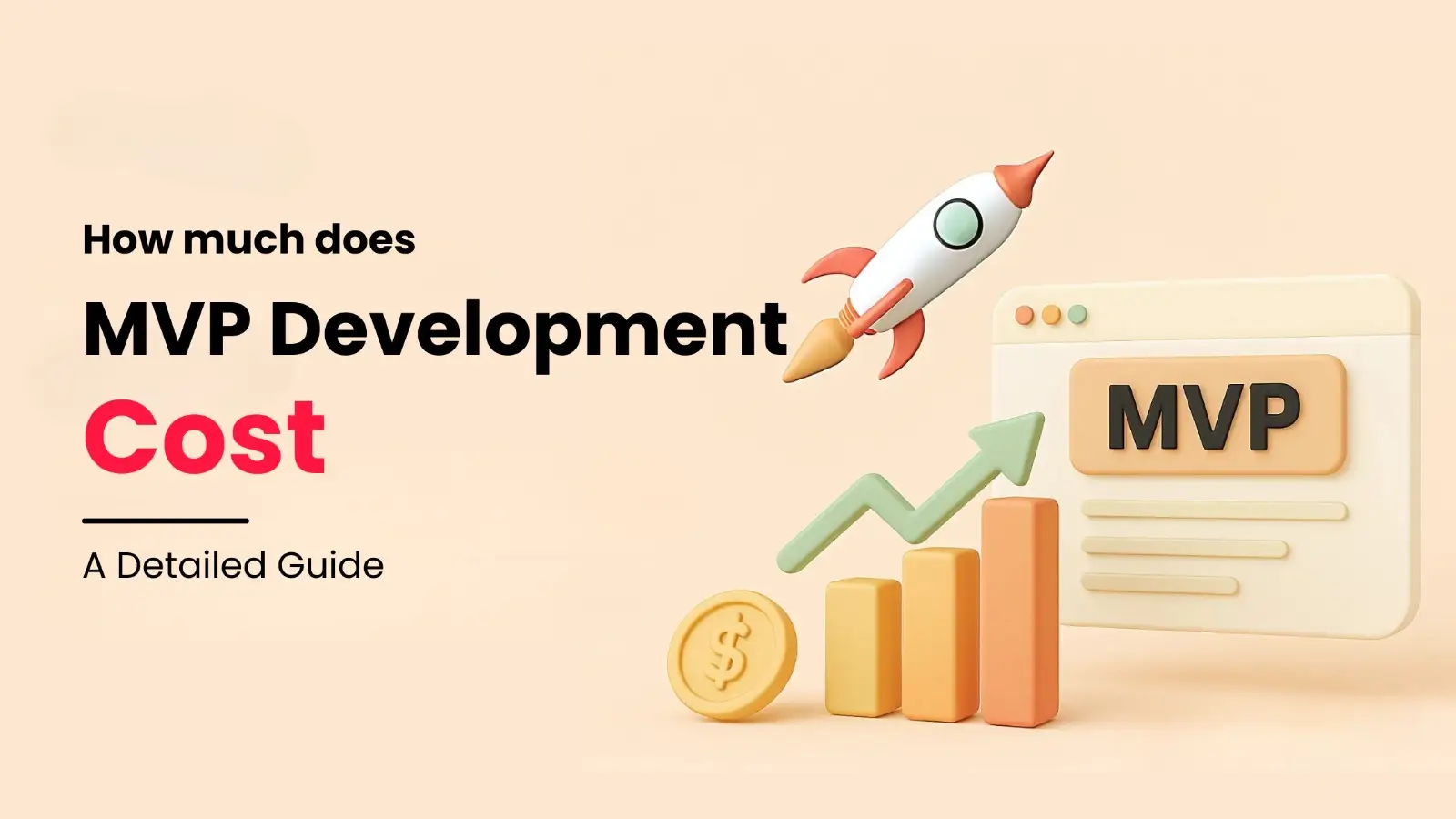 The cost of building a logistics MVP depends on complexity, features, and development location.
| Component | Estimated Cost |
|---|---|
| UI/UX Design | $2,000 – $8,000 |
| Frontend Development | $5,000 – $15,000 |
| Backend Development | $8,000 – $25,000 |
| API Integrations | $3,000 – $10,000 |
| Testing & QA | $2,000 – $6,000 |
Total Estimated Cost: $15,000 – $50,000
| Layer | Technologies |
|---|---|
| Frontend | React, Angular |
| Backend | Node.js, Django |
| Database | PostgreSQL, MongoDB |
| Cloud | AWS, Google Cloud |

Launching a full logistics platform without validation is risky. MVP development mitigates this risk by allowing startups to test their concept in the market.
| Risk | How MVP Helps |
|---|---|
| Market Misfit | Validates demand early |
| High Investment | Reduces upfront cost |
| Technical Failure | Allows iterative improvements |
Once your MVP gains traction, you can gradually scale by adding advanced features such as:
We help startups transform MVPs into scalable logistics platforms.
Email: [email protected]
WhatsApp: Chat with us
| Use Case | Description |
|---|---|
| Last-Mile Delivery App | Optimize delivery routes and tracking |
| Fleet Management System | Monitor vehicle performance |
| Warehouse MVP | Inventory tracking and automation |
| Logistics Marketplace | Connect shippers and carriers |

Building a logistics MVP is the smartest approach for startups aiming to enter the logistics space quickly and efficiently. It minimizes risk, validates ideas, and provides a clear roadmap for scaling.
By focusing on core features, leveraging modern technologies, and adopting an iterative approach, startups can build powerful logistics solutions without overspending.
Partner with experts to build, launch, and scale your logistics solution.
Email: [email protected]
WhatsApp: +91 9586979730
Author: parth
