
MSME
Registered

Wedline
Registered

We Deliver
Clutch

28+ Reviews

250+ Projects
Completed

125+ Happy
Clients
MSME
Registered
Wedline
Registered
We Deliver
Clutch
28+ Reviews
250+ Projects
Completed
125+ Happy
Clients
Date: 23-04-2026
The digital transformation of businesses has been accelerated by cloud computing, and at the heart of this transformation lies Software as a Service (SaaS) platforms. SaaS is changing how companies access, deliver, and maintain software applications, providing an on-demand, subscription-based model that has disrupted traditional software delivery methods. In this blog post, we will explore how SaaS platforms are revolutionizing software delivery and business models and how they empower businesses to scale efficiently, innovate faster, and drive growth.
If you are considering implementing a SaaS solution or transitioning to a cloud-first business model, check out our offshore software development services at BM Coder. Our experienced team can help you design and develop customized SaaS platforms to support your business’s unique needs.
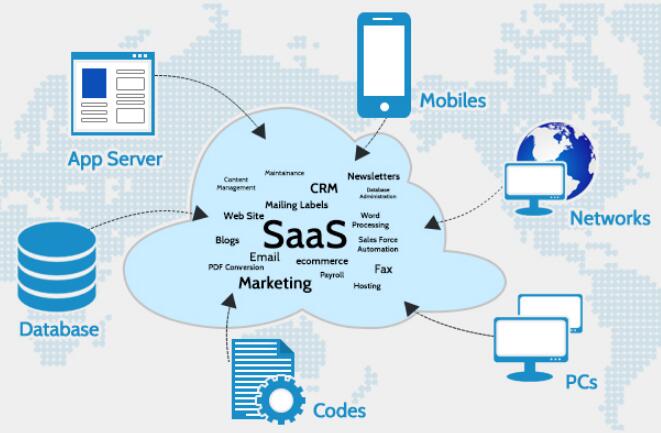
Software as a Service (SaaS) is a cloud-based delivery model in which software applications are hosted and maintained by a third-party provider. Users can access these applications over the internet, typically via a web browser, on a subscription or pay-per-use basis. SaaS eliminates the need for businesses to install, manage, or update software on individual systems, as all updates and maintenance are handled by the SaaS provider.
Some of the most popular examples of SaaS applications include Google Workspace, Microsoft 365, Salesforce, and Dropbox. These platforms provide businesses with access to a wide range of software functionalities without the need for costly infrastructure or ongoing maintenance.
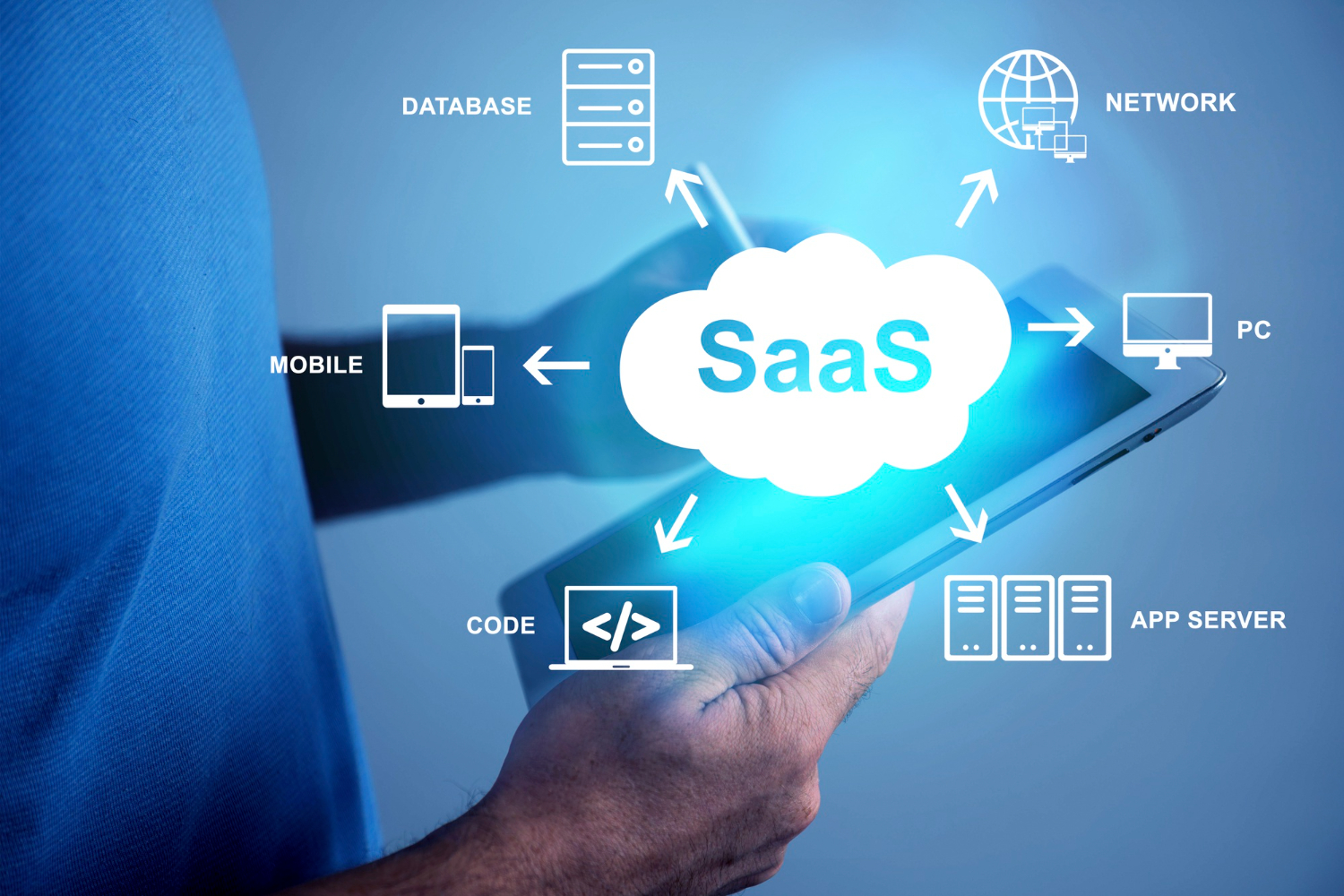
SaaS platforms are transforming how software is delivered by eliminating the traditional model of on-premise software installations. Businesses no longer need to purchase software licenses, set up servers, or handle software upgrades themselves. The following key benefits illustrate how SaaS is revolutionizing software delivery:
| Benefit | Traditional Software Delivery | SaaS Model |
|---|---|---|
| Upfront Costs | Large upfront costs for licenses, hardware, and infrastructure. | Lower upfront costs with a subscription-based model. |
| Installation | Manual installation on individual machines, with periodic updates. | Instant access through the cloud without installation required. |
| Maintenance | Ongoing maintenance, upgrades, and patches are the responsibility of the business. | Maintenance and updates are handled by the SaaS provider, ensuring the latest features and security patches are always available. |
| Scalability | Scaling requires purchasing and installing new hardware and licenses. | Seamless scalability as the SaaS provider manages infrastructure and resources. |
| Accessibility | Software is typically available only on specific devices and networks. | Accessible from any device with internet connectivity, enabling remote work and global access. |
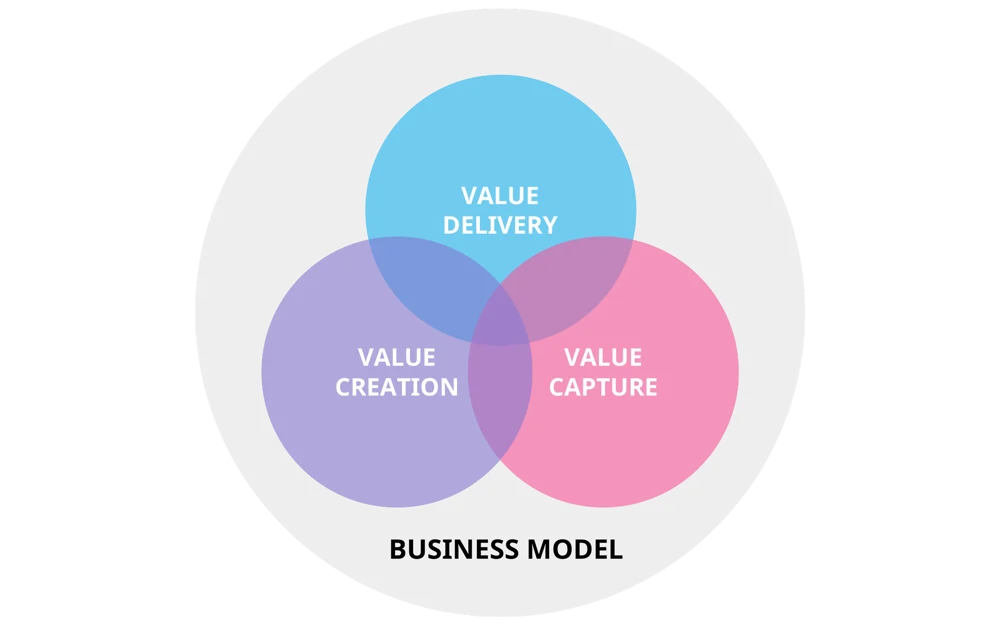
SaaS platforms enable businesses to adopt new, flexible, and innovative business models. They remove many of the traditional barriers to entry, such as high upfront capital investments, and make it easier for businesses to offer services on a subscription or pay-as-you-go basis. Below are some ways in which SaaS is enabling new business models:

SaaS platforms offer businesses several advantages, including flexibility, cost savings, and improved productivity. These benefits are critical for organizations looking to stay competitive and meet the demands of the modern digital landscape. Below are some key benefits of adopting SaaS platforms:
| Benefit | How SaaS Helps |
|---|---|
| Cost Savings | SaaS eliminates the need for purchasing expensive software licenses and infrastructure, reducing upfront and ongoing costs. |
| Accessibility | Employees can access software applications from anywhere with an internet connection, supporting remote work and global collaboration. |
| Automatic Updates | SaaS providers handle updates, ensuring businesses always have access to the latest features and security patches without any manual intervention. |
| Scalability | SaaS platforms can be easily scaled up or down based on demand, allowing businesses to adjust to changes in the market without needing to purchase additional infrastructure. |
| Security | Reputable SaaS providers implement robust security measures, including data encryption, firewalls, and multi-factor authentication, to ensure data protection and compliance with regulations. |

The future of SaaS is poised for even greater impact as more businesses adopt cloud-first strategies. As the demand for SaaS solutions continues to grow, companies will increasingly leverage them for not just software delivery, but also as a foundation for new business models and digital transformation initiatives.
At BM Coder, we specialize in designing and developing customized SaaS platforms that align with your business goals and drive innovation. Our experienced team can help you transition to a SaaS-based model, enabling you to scale efficiently, improve customer engagement, and streamline your operations.
If you're ready to embrace SaaS and revolutionize your software delivery model, contact us today:
Author: parth
