
MSME
Registered

Wedline
Registered

We Deliver
Clutch

28+ Reviews

250+ Projects
Completed

125+ Happy
Clients
MSME
Registered
Wedline
Registered
We Deliver
Clutch
28+ Reviews
250+ Projects
Completed
125+ Happy
Clients
Date: 10-04-2026
Blog Slug URL: /freight-forwarding-software/how-predictive-analytics-helps-logistics-companies-forecast-demand-accurately
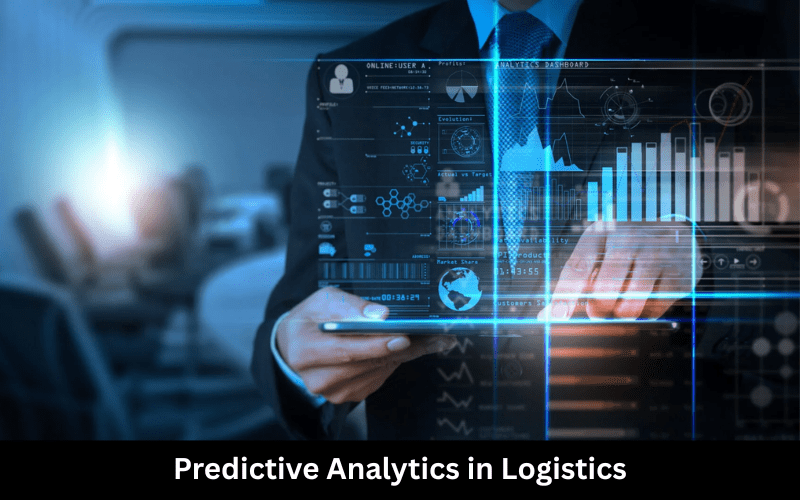
The logistics industry is undergoing a rapid transformation driven by data, automation, and intelligent decision-making systems. One of the most powerful tools enabling this transformation is predictive analytics. For logistics companies, accurately forecasting demand is critical to maintaining operational efficiency, reducing costs, and ensuring customer satisfaction.
Modern logistics businesses are increasingly leveraging advanced freight forwarding software solutions to integrate predictive analytics into their operations. These systems enable companies to anticipate fluctuations in demand, optimize inventory levels, and streamline transportation planning.
If you're looking to implement a smart logistics system, explore our freight forwarding management software solution designed to help businesses gain complete visibility and predictive insights across their supply chain.
---
Predictive analytics refers to the use of historical data, statistical algorithms, and machine learning techniques to forecast future outcomes. In logistics, it helps companies predict:
By analyzing large datasets from multiple sources such as transportation systems, warehouse operations, customer orders, and market trends, predictive analytics provides actionable insights that enable proactive decision-making.
---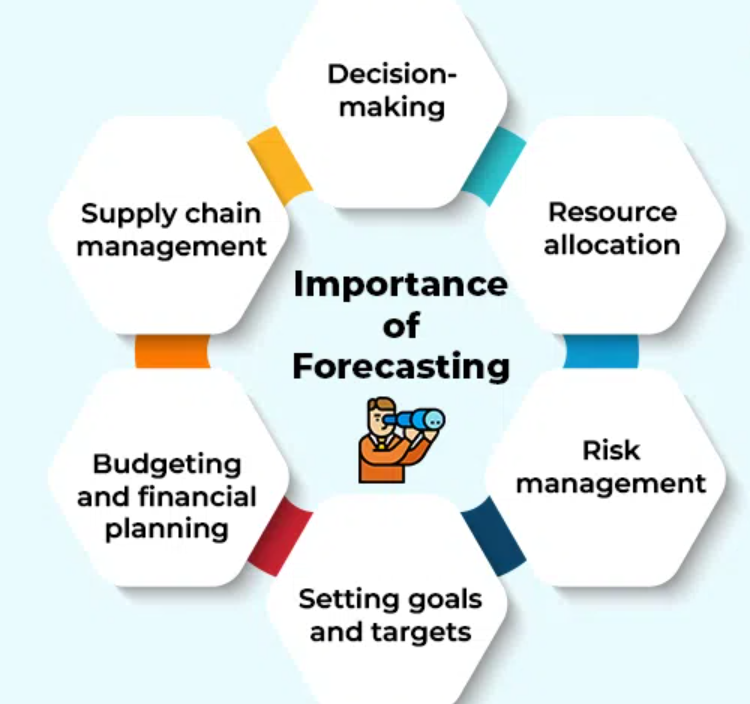
Demand forecasting is the backbone of logistics operations. Inaccurate forecasts can lead to serious issues such as:
Predictive analytics helps mitigate these risks by offering data-driven forecasts instead of relying on guesswork.
---| Aspect | Traditional Forecasting | Predictive Analytics |
|---|---|---|
| Data Usage | Limited historical data | Large datasets (real-time + historical) |
| Accuracy | Moderate | High accuracy with AI models |
| Adaptability | Low | Dynamic and adaptive |
| Decision Making | Reactive | Proactive |
| Risk Management | Minimal | Advanced risk prediction |
Predictive models analyze years of historical shipment and order data to identify patterns and trends. This enables logistics companies to anticipate seasonal demand spikes and recurring behaviors.
Modern logistics software integrates real-time data such as weather conditions, traffic updates, and market fluctuations, ensuring forecasts remain accurate and up-to-date.
Predictive analytics evaluates customer ordering patterns to forecast future demand, helping businesses align inventory and transportation accordingly.
Machine learning continuously improves forecasting accuracy by learning from new data and adjusting predictions over time.
---
With accurate demand forecasts, companies can maintain optimal inventory levels, avoiding overstocking and stockouts.
Predictive analytics helps determine the most efficient delivery routes based on demand forecasts, reducing fuel costs and delivery times.
Better forecasting minimizes unnecessary expenses related to warehousing, transportation, and labor.
Timely deliveries and product availability lead to improved customer experience and loyalty.
---| Use Case | Description |
|---|---|
| Demand Forecasting | Predict future shipment volumes and order trends |
| Fleet Management | Optimize vehicle utilization based on demand |
| Warehouse Optimization | Improve storage and picking strategies |
| Risk Management | Predict disruptions and delays |
| Pricing Strategy | Adjust pricing based on demand fluctuations |

While predictive analytics offers numerous benefits, logistics companies may face challenges such as:
However, with the right technology partner, these challenges can be effectively addressed.
---Freight forwarding software plays a crucial role in enabling predictive analytics by:
These systems act as the backbone for intelligent logistics operations.
---The future of logistics lies in fully automated, data-driven ecosystems. Emerging technologies such as AI, IoT, and blockchain will further enhance predictive capabilities.
Companies that adopt predictive analytics early will gain a competitive advantage by:
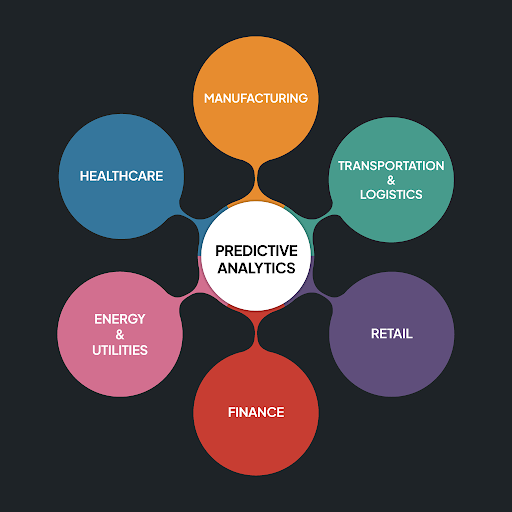
Predictive analytics is no longer optional for logistics companies—it is a necessity. By leveraging data-driven insights, businesses can forecast demand accurately, optimize operations, and deliver exceptional customer experiences.
Whether you're a freight forwarder, logistics provider, or supply chain manager, adopting predictive analytics through advanced software solutions will position your business for long-term success.
---Ready to transform your logistics operations with predictive analytics?
Contact us today:
📧 Email: [email protected]
📱 WhatsApp: +91 9586979730
Our team at BM Coder specializes in building advanced logistics and freight forwarding software tailored to your business needs.
Author: parth
