
MSME
Registered

Wedline
Registered

We Deliver
Clutch

28+ Reviews

250+ Projects
Completed

125+ Happy
Clients
MSME
Registered
Wedline
Registered
We Deliver
Clutch
28+ Reviews
250+ Projects
Completed
125+ Happy
Clients
Date: 02-05-2026
Every fast-growing business hits the same wall. The product works, customers are coming in, but operations start to creak. Orders need manual approval. Support agents switch between five tools to find one customer. Finance exports CSV files to reconcile payments. Marketing cannot launch a campaign without developer help. The team is busy, but not productive.
The problem is rarely talent. It is tooling. Specifically, the lack of a central control system that lets non-technical teams run the business safely and quickly. That control system is a powerful admin panel.
An admin panel is not a side project or a simple CRUD screen. When designed correctly, it becomes the operating system for your company. It connects data, enforces process, provides visibility, and gives teams the autonomy to move fast without breaking things. At BM Coder, a software development company specializing in complex platforms, we build these control layers as first-class products through our secure admin panel development services. The goal is simple: give operators the power to manage the business end to end, while engineering focuses on the core product.
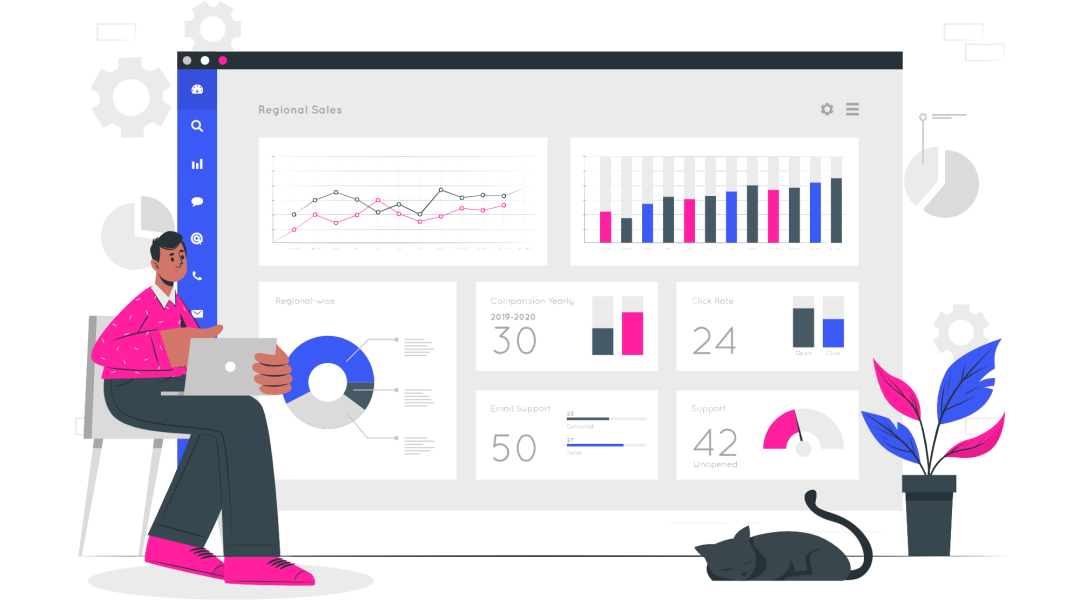
Think of your business as three layers. The customer-facing app, the backend services and databases, and the operations layer in between. The admin panel is that middle layer. It translates raw database tables and APIs into safe, role-based workflows that real people can use.
A powerful panel does five jobs at once. First, it provides a single source of truth for operations. Second, it enforces business rules and approvals. Third, it automates repetitive tasks. Fourth, it surfaces exceptions that need human judgment. Fifth, it logs everything for audit and compliance. Without this layer, every operational change becomes a Jira ticket for engineering.
In early stage startups, founders often use direct database access, spreadsheets, or basic Django Admin and Retool screens. This works for a few hundred users. At a few thousand daily transactions, it collapses.
Common symptoms include slow refunds because support cannot verify payment status, pricing errors because marketing edits the wrong table, inventory mismatches because warehouse updates are not validated, and security incidents because too many people have production access. Each issue costs time and trust.
A purpose-built admin panel replaces ad hoc access with governed workflows. Instead of giving someone raw SQL access, you give them a Refund Order screen with rules, limits, and audit logs. Instead of editing JSON in a database, marketing uses a Campaign Manager with previews and approvals. Operations speed increases while risk decreases.

| Operational Area | Without Powerful Admin Panel | With Powerful Admin Panel | Measured Outcome |
|---|---|---|---|
| Customer Support | 4 to 6 tools, no unified timeline | Single customer 360 view with actions | 35 to 50 percent faster resolution |
| Order Management | Manual status updates via email | Bulk actions, auto state transitions | 70 percent reduction in manual touches |
| Finance Operations | Weekly CSV reconciliations | Real-time ledger, exception queues | Close time from 10 days to 4 days |
| Content and Catalog | Developer needed for every change | Self-serve CMS with approvals | Go live time from days to minutes |
| Risk and Fraud | Reactive, after loss occurs | Real-time rules, manual review queues | Fraud loss reduced 20 to 40 percent |
Operators need context, not tables. A customer view should combine profile, orders, payments, tickets, devices, and activity logs in one screen. This eliminates tab switching and reduces errors. The best panels are built around jobs to be done, not database schemas.
Not everyone should see everything. A powerful panel implements granular RBAC. Support L1 can view and refund up to 2000 INR. Support L2 can refund up to 10000 INR. Finance can edit ledgers. Admins can manage roles. Every action is scoped, every permission is auditable.
Scaling means doing more with the same team. Bulk update 500 SKUs, approve 100 vendor payouts, or resend 1000 invoices with one action. Automation rules handle the routine, while exceptions surface for humans. This is how a 10 person ops team supports a million users.
Power without guardrails is dangerous. Powerful panels validate inputs, enforce business rules, show previews, and require confirmations for destructive actions. For example, price changes below margin trigger an approval, and deleting a user archives data instead of purging it.
Operations need live data. Order funnel drop-offs, payment failure spikes, inventory sync errors, and API latency should be visible inside the panel, not in a separate monitoring tool. When ops can see the problem, they can act in minutes, not hours.
Every view, edit, and export should be logged with who, what, when, and from where. This is essential for SOC 2, ISO 27001, PCI, and internal audits. Powerful panels make compliance a byproduct of daily work, not a quarterly scramble.
Business rules change weekly. The panel should allow non-developers to configure workflows, fields, and approvals through a safe interface. Engineering builds the framework, operations configures the policy. This separation is what enables scale.
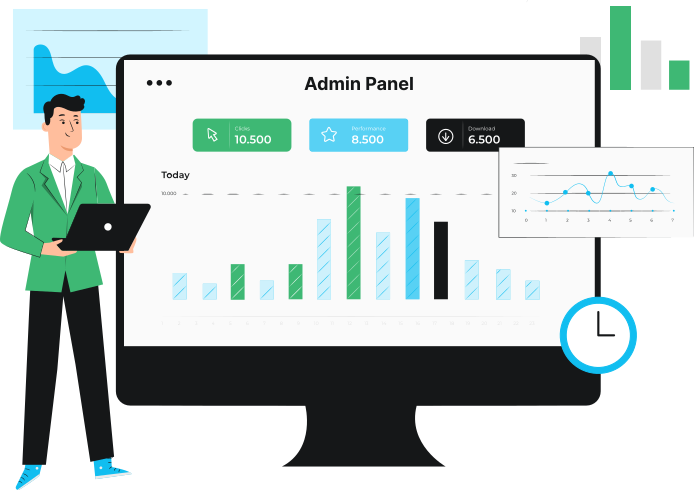
Scaling is not just about servers. It is about operational leverage. A well-designed admin panel creates leverage in four ways.
First, it reduces dependency on engineering. When marketing can launch offers, support can issue refunds, and catalog managers can update products without tickets, engineering velocity doubles.
Second, it standardizes processes across regions and teams. A refund in Ahmedabad follows the same rules as a refund in Dubai. This consistency is critical for quality as you expand.
Third, it improves decision speed. Live dashboards on GMV, CAC, refund rate, and inventory turns allow leaders to act daily, not monthly.
Fourth, it lowers hiring needs. Companies with strong ops tooling often support 3 to 5 times the transaction volume per operations headcount compared to peers who rely on spreadsheets.
| Module | Key Features | Who Uses It | Business Value |
|---|---|---|---|
| Customer 360 | Timeline, notes, impersonation, KYC status | Support, Success, Risk | Faster resolution, lower churn |
| Order and Fulfillment | State machine, bulk actions, exceptions | Operations, Warehouse | On-time delivery, fewer errors |
| Payments and Refunds | Reconciliation, payout approval, dispute handling | Finance | Cash flow accuracy, audit ready |
| Catalog and Pricing | Versioning, scheduling, approval flows | Merchandising, Marketing | Faster launches, margin protection |
| User and Access Management | RBAC, SSO, MFA, session control | IT, Security | Reduced risk, compliance |
| Analytics and Ops Dashboards | Cohorts, funnels, real-time alerts | Leadership, Growth | Data driven decisions |
The URL for this service includes the word secure for a reason. Admin panels control money, data, and access. If compromised, the damage is immediate. Security cannot be bolted on later.
At BM Coder, our custom admin panel development company practice builds security into every layer. We implement SSO with SAML or OIDC, enforce MFA for all privileged roles, and use short-lived tokens. IP allowlisting and device trust are standard for finance actions. All data in transit uses TLS 1.2 plus, and sensitive fields are encrypted at rest.
Beyond authentication, we focus on authorization and audit. Every endpoint checks permissions server side. Every sensitive action requires justification and is logged immutably. We implement rate limiting, CSRF protection, and input sanitization to prevent common web attacks. For fintech and healthtech clients, we add field-level encryption and detailed access logs for compliance reviews.
A powerful admin panel is not a monolith sitting on your main database. It is a separate application with its own service layer. This separation protects your core product from heavy operational queries.
We typically architect panels using a modern stack: React or Next.js for the frontend with component libraries for speed, Node.js, Python, or Go for the API layer, and a read-optimized data layer using replicas or a data warehouse. Real-time updates come through WebSockets or server-sent events. Background jobs handle bulk operations asynchronously with progress tracking.
For enterprises, we integrate the panel with your identity provider, SIEM, and ticketing systems. Actions in the panel can create Jira tickets, send Slack alerts, or trigger webhooks to downstream systems. This makes the panel the hub, not another silo.
Marketplace Operations: A multi-vendor marketplace used our panel to manage vendor onboarding, KYC, catalog approvals, and settlements. Vendor onboarding time dropped from 7 days to 48 hours. Payout disputes fell 60 percent because vendors could see the same ledger as finance.
SaaS Customer Success: A B2B SaaS company needed to manage subscriptions, feature flags, and usage limits. We built a Customer 360 panel where success managers could extend trials, toggle features per tenant, and view health scores. Churn reduced 18 percent in two quarters because interventions happened earlier.
Ecommerce at Scale: A D2C brand processing 5,000 orders daily struggled with returns. We delivered a returns management module with automated eligibility checks, label generation, and refund workflows. Manual effort per return dropped from 12 minutes to under 2 minutes.
Fintech Compliance: For a payments startup, we built a secure operations console with maker checker approvals for any fund movement above a threshold. Every action required MFA and left a tamper evident audit trail. The client passed their first SOC 2 audit with zero exceptions in access controls.
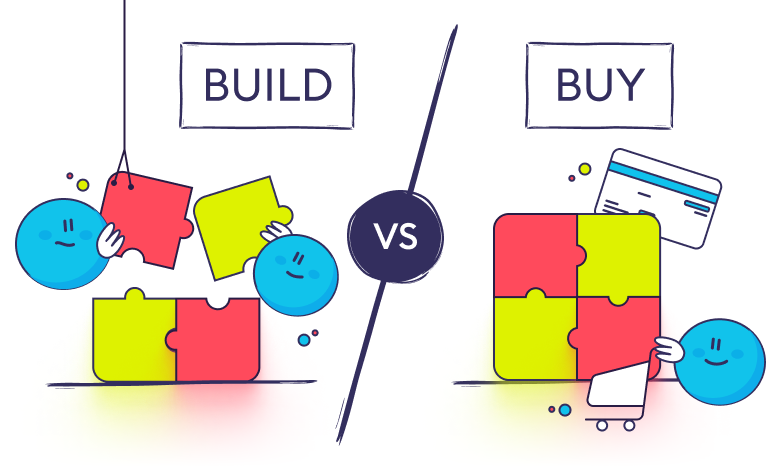
Teams often ask whether to use Retool, Appsmith, or build custom. The answer depends on complexity and risk.
Low-code tools are excellent for internal dashboards and simple CRUD when you have fewer than 50 users and low compliance needs. They get you started in days.
Custom development is the right choice when you need complex workflows, high security, deep integrations, or white-labeling for partners. It also wins when performance matters, for example bulk editing 100,000 records or real-time monitoring.
Most scaling companies choose a hybrid. We use low-code for rapid prototyping, then rebuild critical modules as custom, secure applications. This balances speed and control.
First, design for the operator, not the database. Screens are organized by tasks like Issue Refund or Approve Vendor, not by tables. Second, make dangerous actions hard and reversible. Confirmations, undo windows, and soft deletes prevent costly mistakes. Third, optimize for speed. Keyboard shortcuts, saved filters, and bulk actions save hours weekly. Fourth, build for trust. Show why a rule blocked an action and who to contact for an override. Fifth, instrument everything. Track time to resolution, actions per user, and error rates to continuously improve the panel itself.
Leadership should treat the admin panel as a product with KPIs. Track support handle time, orders processed per operator per hour, time to launch a campaign, refund processing time, and percentage of tasks completed without engineering. Also track security metrics like MFA adoption, failed permission attempts, and audit completeness.
A typical ROI case for a 50 person operations team: reducing handle time by 30 percent saves 15 FTE equivalents. At an average loaded cost, that is significant annual savings, before counting revenue gains from faster launches and fewer errors. The panel often pays for itself within one to two quarters.
Mistake one is giving everyone admin access. This creates risk and chaos. Implement least privilege from day one. Mistake two is building directly on production databases. Use service APIs and read replicas. Mistake three is ignoring mobile needs. Warehouse and field teams need responsive or native apps. Mistake four is no versioning for content and pricing. You need to preview, schedule, and rollback changes. Mistake five is treating audit logs as optional. Regulators and customers will ask for them.

This phased approach delivers value in 4 to 6 weeks and builds momentum for larger modules.
We are not a generic agency. BM Coder focuses on operational platforms that must be secure, fast, and reliable under load. Our engineers have built admin systems handling millions of transactions for ecommerce, fintech, logistics, and SaaS clients.
We bring a product mindset. We start with user research with your ops team, prototype workflows, and iterate based on real usage. We build with modern, maintainable stacks and document everything for handover. Security is built in, not added later, with code reviews, dependency scanning, and audit-ready logging.
Whether you need to replace spreadsheets, upgrade from a basic Django admin, or build a partner-facing console, we deliver a panel that your team will actually love to use.
Schedule a 30-minute architecture review with BM Coder.
The next generation of admin panels will be proactive, not just reactive. Imagine an ops console that flags anomalous refunds before they are processed, suggests the next best action for a support ticket based on similar cases, or auto-drafts responses using your knowledge base. We are already integrating AI copilots into panels for clients, with human in the loop approvals to maintain control.
As you scale to multiple countries, your panel will need multi-currency, multi-language, and localized compliance workflows. Building on a modular, API-first architecture today makes these additions straightforward tomorrow.
Powerful admin panels are the difference between a business that grows chaotically and one that scales efficiently. They turn tribal knowledge into repeatable workflows, replace risky database access with governed actions, and give leaders real-time visibility into the engine of the company.
If your team is still living in spreadsheets, waiting on engineering for simple changes, or worrying about who has access to what, it is time to invest in your operations OS. BM Coder can help you design and build a secure, scalable admin panel that becomes the most loved tool in your company.
Contact us today to start the conversation about your operational control center.
Author: parth
