
MSME
Registered

Wedline
Registered

We Deliver
Clutch

28+ Reviews

250+ Projects
Completed

125+ Happy
Clients
MSME
Registered
Wedline
Registered
We Deliver
Clutch
28+ Reviews
250+ Projects
Completed
125+ Happy
Clients
Date: 18-03-2026

Healthcare providers are under constant pressure to deliver high-quality care while managing operational costs and patient satisfaction. Patient management systems (PMS) have emerged as a vital tool to address these challenges. By digitizing and centralizing patient information, hospitals can streamline workflows, reduce errors, and enhance overall patient experience.
BM Coder specializes in developing patient management systems tailored for hospitals and clinics, helping medical organizations optimize operations, improve communication, and deliver seamless patient care. If you want to transform your hospital’s efficiency, contact us via email or connect instantly on WhatsApp.
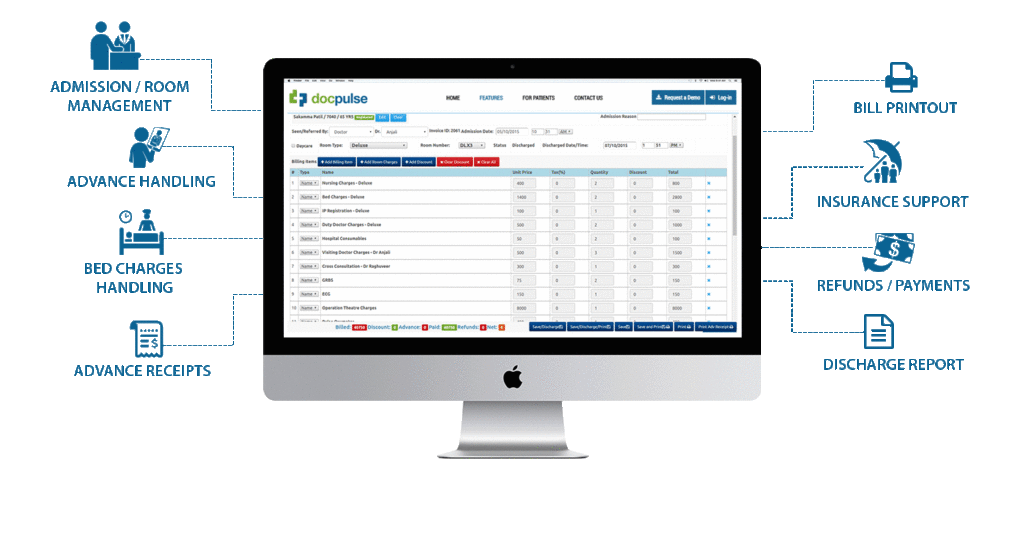
A patient management system is a comprehensive software solution designed to manage all aspects of patient care within a hospital or clinic. Unlike traditional record-keeping methods, PMS integrates clinical, administrative, and operational functions, enabling staff to access real-time information and make informed decisions.
Core functionalities of PMS include:
Modern hospitals face challenges like increasing patient load, complex treatment plans, and stringent regulatory requirements. A PMS addresses these challenges by providing:
Manual processes like registration, billing, and record keeping are time-consuming and prone to errors. PMS automates these tasks, reducing administrative burdens and improving operational efficiency.
By providing quick registration, seamless appointment scheduling, and easy access to medical records, PMS enhances patient satisfaction and reduces wait times.
Patient information is stored in a secure, centralized database, allowing authorized staff to access records in real time across departments, improving care coordination and reducing duplicate tests.
Hospitals can optimize staff schedules, operating room usage, and equipment allocation using PMS, ensuring maximum efficiency and cost-effectiveness.
| Benefit | Description | Impact on Hospital Operations |
|---|---|---|
| Reduced Administrative Workload | Automates registration, billing, and patient tracking | Frees staff to focus on clinical care |
| Enhanced Patient Experience | Quick appointments, easy access to records, and patient portals | Increases patient satisfaction and retention |
| Centralized Records | Unified patient data accessible across departments | Reduces errors, avoids duplication, improves care coordination |
| Efficient Resource Management | Optimizes staff, beds, and equipment allocation | Reduces operational bottlenecks and costs |
| Analytics and Reporting | Real-time dashboards and performance metrics | Supports informed decision-making and strategic planning |
| Compliance and Security | Maintains HIPAA and other regulatory compliance | Minimizes legal risk and secures patient data |
Implementing a patient management system transforms hospital operations in several key areas:
Automated scheduling reduces human error, prevents overbooking, and ensures that doctors' time is used efficiently.
Digitizing records and billing reduces paperwork, freeing administrative staff for higher-value tasks.
Centralized patient data allows multiple departments to access and update information seamlessly, improving collaboration and patient outcomes.
PMS provides insights into bed occupancy, staff workload, and equipment usage, enabling hospitals to optimize operations.
| Feature | Traditional Systems | Modern PMS |
|---|---|---|
| Patient Data Access | Paper-based, limited to department | Digital, centralized, accessible hospital-wide |
| Appointment Scheduling | Manual, prone to errors and double-booking | Automated, calendar-integrated, reminders sent |
| Billing | Manual invoicing, slow insurance processing | Automated billing, integrated with insurance claims |
| Resource Management | Manual tracking of staff, beds, and equipment | Data-driven optimization and forecasting |
| Patient Engagement | Limited, mainly in-person communication | Portals, telemedicine, reminders, and notifications |
| Hospital | Challenge | PMS Solution | Outcome |
|---|---|---|---|
| City General Hospital | High patient wait times and manual scheduling | Automated appointment scheduling and EHR integration | Reduced wait times by 40%, improved patient satisfaction |
| Metro Health Clinic | Billing errors and slow insurance processing | Integrated billing and insurance claims management | Decreased billing errors by 70%, faster claim approvals |
| Sunrise Medical Center | Poor inter-department communication | Centralized patient records accessible across departments | Improved care coordination, fewer duplicate tests |
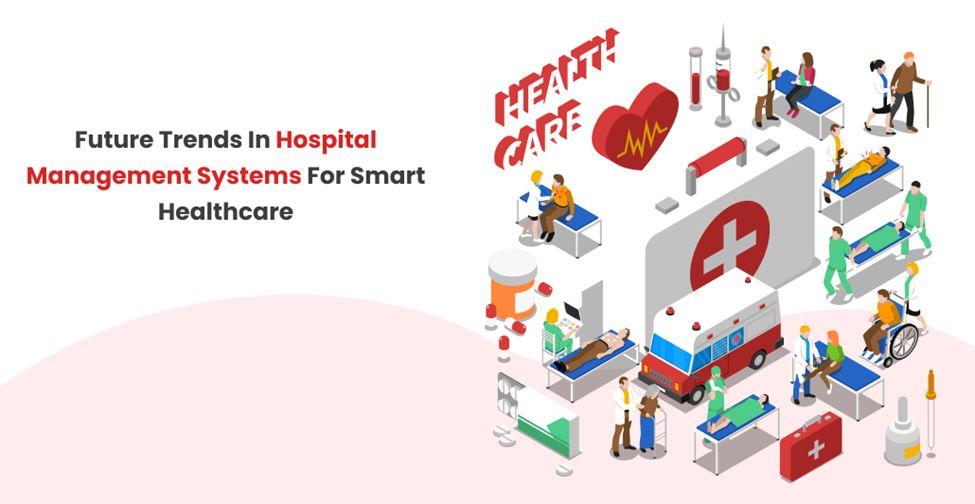
Patient management systems are essential tools for modern hospitals, improving efficiency, streamlining workflows, and enhancing patient experience. By adopting PMS, healthcare providers can reduce administrative burdens, ensure data accuracy, and deliver high-quality, patient-centric care.
BM Coder offers advanced patient management software solutions to help hospitals optimize operations and provide better care. Upgrade your hospital’s patient management today by contacting us via email or connecting directly on WhatsApp.
Author: parth
