
MSME
Registered

Wedline
Registered

We Deliver
Clutch

28+ Reviews

250+ Projects
Completed

125+ Happy
Clients
MSME
Registered
Wedline
Registered
We Deliver
Clutch
28+ Reviews
250+ Projects
Completed
125+ Happy
Clients
Date: 07-05-2026
Nonprofits operate under unique pressure. They must deliver measurable social impact with limited staff, fragmented funding, and high expectations for transparency. While a startup worries about monthly recurring revenue, an NGO worries about lives impacted per rupee, donor retention, field team coordination across remote districts, and audit ready reporting for multiple grants. The work is deeply human, but the systems supporting it are often painfully manual.
Spreadsheets for beneficiary tracking. WhatsApp groups for field updates. Separate tools for donations, accounting, and communications. When a donor asks for an impact report, the team spends a week reconciling data. When a program manager needs to know which villages are underserved, they call three coordinators. This operational drag steals time from the mission.
The solution is not another generic CRM. It is a purpose built admin panel that becomes the operating system for the NGO. At BM Coder, a software development company that builds platforms for social impact organizations, we see admin panels transform how NGOs run daily operations, steward donors, and prove impact. Our experience spans donor management systems, field data platforms, and related work in vocational training and employment platform development, where skilling NGOs need the same operational control to track trainees, placements, and outcomes efficiently.

Commercial admin dashboards focus on revenue and conversion. NGO admin panels focus on people, programs, and proof. They must handle complex realities: offline field data collection, multi currency donations, restricted grants with specific reporting formats, volunteer management, and beneficiary privacy.
A good NGO admin panel does three jobs at once. First, it streamlines operations so small teams can manage large programs. Second, it builds donor trust through transparency and timely communication. Third, it makes impact visible and verifiable, not anecdotal. When these three align, fundraising improves, compliance becomes easier, and field teams spend more time serving communities.
Operations is where NGOs feel the most friction. Programs run across districts with different languages, connectivity levels, and reporting cadences. A central admin panel gives program managers a live view of what is happening on the ground.
Key capabilities include beneficiary registry with deduplication, so the same family is not counted twice across programs. Household profiles store demographics, needs assessments, services provided, and follow up dates. Field staff use a mobile friendly interface to check in, record services, upload photos with consent, and capture GPS coordinates for verification.
Task management replaces WhatsApp chaos. Coordinators assign visits, trainings, or distributions. Field staff see their daily schedule, mark completion, and flag issues. Managers see completion rates by block and can reassign work in real time. Inventory modules track relief materials, medicines, or training kits from warehouse to last mile delivery with QR scanning.
Approvals and finance controls are embedded. Field expense claims are submitted with receipts, routed for approval based on amount and project, and synced to accounting. This reduces leakage and speeds reimbursements, which keeps field morale high.

Donors are not ATMs. They are partners in impact. An admin panel helps NGOs move from one time donations to sustained relationships.
A unified donor CRM consolidates giving history across website, UPI, bank transfers, and offline events. It tracks communication preferences, pledge schedules, and employer matching eligibility. Segmentation allows personalized outreach. Major donors, monthly sustainers, corporate CSR partners, and first time givers each receive relevant updates.
Automated stewardship is critical. When a donation arrives, the system sends an instant 80G receipt, a thank you message, and adds the donor to an impact nurture journey. Three months later, the donor receives a story from the field tied to their giving area. At year end, they receive a consolidated tax statement and an impact summary showing beneficiaries reached with their support.
Grant management lives alongside individual giving. Each grant has its own budget, milestones, reporting calendar, and document repository. The panel alerts program leads 30 days before a report is due and pulls the required metrics automatically. This prevents last minute scrambles and builds funder confidence.
Donors and boards no longer accept activity counts alone. They want outcomes. How many trainees secured jobs and retained them for six months. How many children improved reading levels. How many households increased income.
An admin panel makes this possible by linking inputs to outputs to outcomes. A vocational training program records enrollment, attendance, assessments, certification, and placement. Three months post placement, the system triggers a follow up survey via phone or WhatsApp. The dashboard then shows placement rate, median salary, and retention by trade and training center.
Data quality controls ensure credibility. Required fields, range checks, photo verification, and supervisor approvals reduce errors. Audit trails show who entered or changed data and when. For sensitive beneficiary data, the panel applies masking and role based access so only authorized staff see PII.
Impact dashboards translate complex data into clear stories. Instead of exporting spreadsheets, program leads present live dashboards to donors showing funds utilized, people reached, and outcomes achieved, with drill downs to district level. This transparency drives renewals and larger gifts.
| Area | Typical NGO Without Panel | With Purpose Built Admin Panel | Efficiency Gain |
|---|---|---|---|
| Beneficiary Tracking | Multiple Excel sheets, duplicates | Single registry with deduplication | 90 percent less duplication |
| Field Reporting | Weekly WhatsApp summaries | Real time mobile check ins with GPS | Reporting time from days to hours |
| Donor Receipts | Manual 80G creation | Auto receipts and tax summaries | 100 percent on time compliance |
| Grant Reporting | Last minute data hunting | Auto generated reports by grant | 70 percent faster submissions |
| Impact Measurement | Activity counts only | Outcome tracking with follow ups | Credible evidence for funders |
| Module | Key Features | Primary Users | Value Delivered |
|---|---|---|---|
| Program and Case Management | Beneficiary profiles, needs assessment, service history | Program managers, field staff | Coordinated care, no duplication |
| Field Operations | Task assignment, offline mobile forms, GPS, photos | Coordinators, volunteers | Higher field productivity |
| Donor CRM and Fundraising | Donation tracking, receipts, segmentation, campaigns | Fundraising, communications | Higher retention and upgrades |
| Grants and Compliance | Budgets, milestones, document vault, alerts | Finance, leadership | On time, audit ready reporting |
| Inventory and Logistics | Stock tracking, distribution, QR scanning | Operations, warehouse | Reduced wastage |
| Impact Analytics | Outcome dashboards, cohort analysis, maps | MEAL team, donors | Evidence based decisions |
Acquisition starts with campaign pages and donation forms optimized for Indian payment methods including UPI, cards, and net banking. The panel tracks source, campaign, and cost per acquisition. Welcome journeys trigger automatically.
Retention is driven by impact communication. The system tags donors by interest area such as education, health, or livelihoods. Quarterly, it sends personalized impact updates with real numbers and stories from relevant programs. The admin panel shows open rates, click throughs, and subsequent giving.
Upgrade paths are systematic. Monthly donors who give for six months receive an invitation to increase by a suggested amount based on capacity signals. Major donor prospects are flagged by giving velocity and engagement, then assigned to relationship managers with tasks and reminders.
Reactivation is automated. Lapsed donors receive a win back series featuring a specific beneficiary story and a clear call to action. All interactions are logged, creating a complete relationship history.
Many NGOs work where connectivity is patchy. Admin panels must support offline first mobile apps. Field staff download their assignments in the morning, collect data offline including forms and photos, and sync when back in range. Conflicts are resolved with timestamps and supervisor review.
Forms are multilingual and use simple inputs, skip logic, and validation to reduce errors. Voice notes and image capture replace long text where literacy is a barrier. GPS tagging provides location proof without burdening staff.
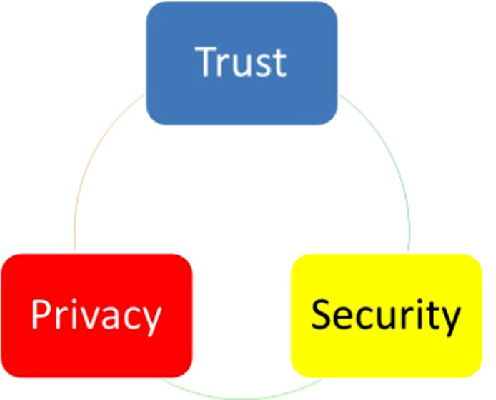
NGOs hold sensitive data about vulnerable populations. Security is a duty of care. Admin panels must implement role based access control so field staff see only their assigned villages, finance sees budgets but not medical histories, and external evaluators see anonymized data sets.
Data minimization is key. Collect only what is needed for program delivery and reporting. Store consent records for photos and stories. Encrypt data at rest and in transit. Maintain immutable audit logs for all access to beneficiary PII. For Indian NGOs, align with DPDP Act principles and maintain clear purpose limitation.
Donor data also requires care. Implement PCI compliant payment flows, never store card numbers, and provide easy opt out and data deletion workflows.
For NGOs focused on skilling and employment, the admin panel becomes the bridge between training and jobs. This is where our expertise in vocational training platforms complements NGO operations. Trainee profiles track demographics, prior education, skills assessed, attendance, and certifications. Employer partners are managed in a CRM with open roles, requirements, and placement history.
Placement workflows match trainees to jobs based on skills and location. Interview schedules, offers, and joining dates are tracked. Post placement follow ups at 30, 90, and 180 days capture retention and salary progression. The dashboard shows placement rate, average salary, and employer satisfaction by trade and center, enabling data driven curriculum improvements.
Start with a theory of change for each program. Define inputs, activities, outputs, outcomes, and impact. The admin panel captures data at each level. Inputs like funds and staff time. Activities like trainings conducted. Outputs like number of people trained. Outcomes like jobs secured. Impact like income increase sustained over a year.
Cohort analysis is essential. Compare beneficiaries who received the intervention with similar profiles who did not, where ethical. Track outcomes over time, not just at exit. The panel automates follow up reminders and aggregates results into donor ready visuals.
NGOs juggle restricted and unrestricted funds, FCRA requirements, CSR reporting, and multiple currencies. The admin panel enforces fund accounting principles. Every expense is tagged to a project and donor, with budget checks at entry. Overruns trigger approvals.
Automated reports generate utilization certificates, funder specific formats, and 80G summaries. Document management stores MOUs, approvals, and audit evidence with version control. During audits, finance can produce a complete trail in hours instead of weeks.
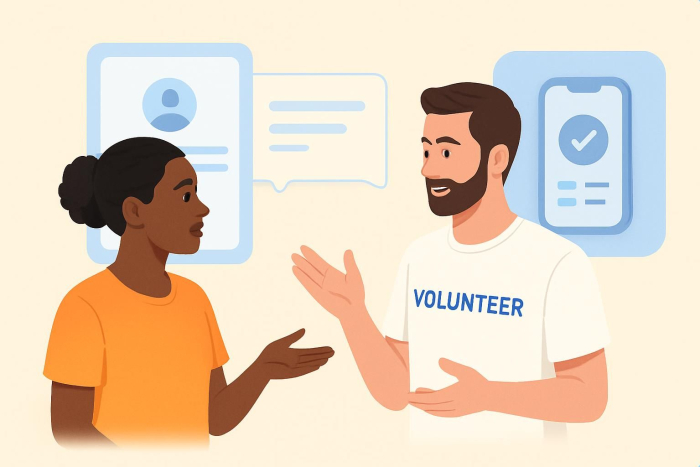
Volunteers are force multipliers. The panel manages recruitment, onboarding, background checks, skills, availability, and assignments. Volunteers log hours via mobile, receive certificates, and get matched to opportunities based on skills. Community feedback mechanisms allow beneficiaries to rate services and report grievances confidentially, closing the loop on accountability.
Track operational metrics weekly: data entry time per beneficiary, field visit completion rate, expense approval cycle time, and donor receipt turnaround. Track relationship metrics monthly: donor retention rate, upgrade rate, and grant on time submission rate. Track impact metrics quarterly: outcomes achieved per program, cost per outcome, and beneficiary satisfaction scores.
When these metrics improve, fundraising becomes easier because you can show efficiency and effectiveness with evidence.
Building a system that only HQ can use. Field usability is non negotiable. Collecting too much data. Start lean and expand based on decisions you actually make. Ignoring data quality. Invest in validation and training. Treating the panel as IT only. Program leadership must own the design. Skipping privacy. Build consent and access controls from day one.
We understand the realities of nonprofit operations in India and globally. Limited budgets, high accountability, and the need for systems that work offline and in multiple languages. Our team builds secure, scalable admin panels with mobile first field apps, robust donor management, and impact dashboards that donors trust.
We bring experience from both social sector and skilling platforms, so we can connect program delivery to livelihood outcomes seamlessly. We prioritize simplicity for field staff and power for managers, with role based access, audit trails, and integrations that reduce manual work.
Let's discuss your programs, donors, and reporting needs.
Email: [email protected]
WhatsApp: +91.9586979730
NGOs do extraordinary work with constrained resources. The right admin panel multiplies that effort by removing operational friction, strengthening donor relationships, and making impact visible and verifiable. It allows small teams to manage large programs with confidence, and gives donors the transparency they deserve.
Whether you run education, health, livelihoods, or disaster relief programs, investing in a purpose built admin panel is an investment in your mission. BM Coder is ready to help you design and build a system that fits your context, scales with your growth, and keeps the focus where it belongs, on the people you serve.
Author: parth
