
MSME
Registered

Wedline
Registered

We Deliver
Clutch

28+ Reviews

250+ Projects
Completed

125+ Happy
Clients
MSME
Registered
Wedline
Registered
We Deliver
Clutch
28+ Reviews
250+ Projects
Completed
125+ Happy
Clients
Date: 22-04-2026
In today's rapidly evolving business landscape, digital transformation has become a critical component of success across industries. One of the key enablers of this transformation is modern web applications. These applications have revolutionized how businesses operate, engage with customers, and deliver services. From healthcare to finance, retail, and beyond, web applications have streamlined processes, improved efficiency, and helped organizations adapt to the ever-changing market demands.
As organizations seek to improve their operational efficiency, reduce costs, and enhance customer experiences, modern web applications have proven to be the driving force behind digital innovation. In this blog post, we will explore how web applications are transforming industries, and why businesses are investing in custom-built web solutions to stay ahead in the digital age.
If you're looking to harness the power of web applications for your business, particularly in the healthcare industry, check out our software development services for healthcare to see how we can help.
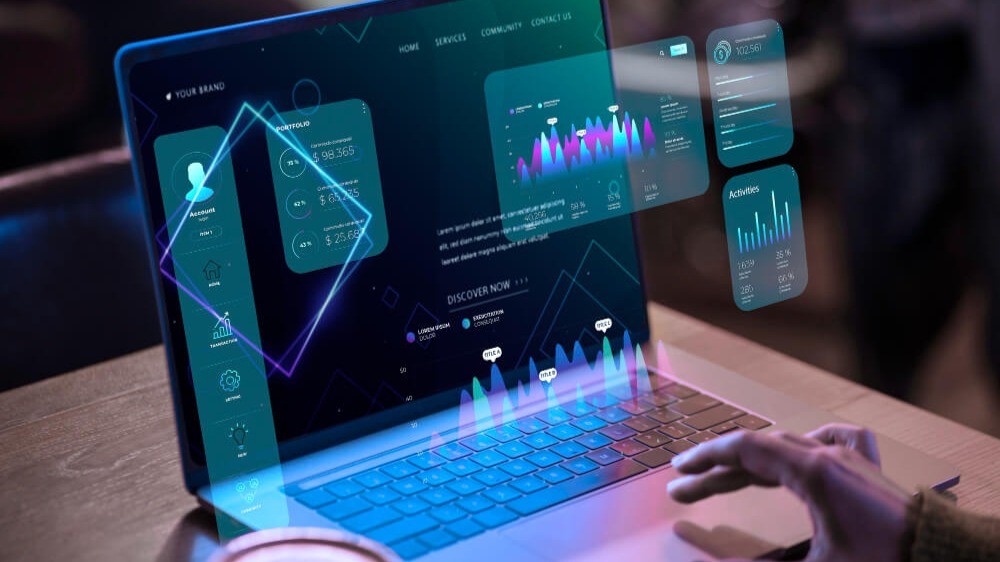
Modern web applications provide organizations with the ability to streamline operations, improve internal collaboration, and engage customers in innovative ways. Unlike traditional software, which is often limited to specific devices or operating systems, web applications are platform-independent, accessible from anywhere, and capable of evolving in response to changing business needs.
Web applications can be designed to address specific challenges faced by businesses, whether it's automating complex workflows, enhancing data analytics, or providing real-time communication channels. They also enable businesses to scale more efficiently, extend their reach, and improve user experiences across multiple channels.
But how exactly are web applications driving digital transformation? Let's take a closer look at some of the industries benefiting the most from these innovative solutions.
The healthcare industry has been at the forefront of digital transformation, with web applications playing a pivotal role in streamlining healthcare delivery, improving patient care, and managing administrative processes. Modern web applications allow healthcare organizations to manage patient records, track treatments, and communicate with patients and staff more efficiently.
Key benefits include:
For a deeper dive into how custom web applications can enhance healthcare operations, visit our software development services for healthcare page.
The financial services industry is also undergoing a significant digital transformation, driven in part by web applications. Financial institutions are increasingly adopting web-based platforms to streamline their operations, improve customer service, and offer a wide range of digital financial services.
Some notable advantages include:

Web applications have revolutionized the retail and e-commerce industries by enabling businesses to offer a seamless online shopping experience. Through intuitive interfaces and real-time inventory management, retailers can offer personalized experiences, manage orders, and provide customer support all in one place.
Some of the key benefits include:
In the manufacturing and supply chain industries, web applications have streamlined operations, improved logistics, and enabled real-time monitoring of production and shipments. Web-based platforms can connect various systems across the supply chain, enabling more accurate forecasting and demand planning.
Web apps help businesses in these industries by:
The education sector has experienced a major shift in the digital age, with web applications playing a key role in this transformation. Web apps are helping schools, colleges, and universities deliver online courses, manage administrative tasks, and engage with students more effectively.
In education, web applications offer benefits such as:
In all of these industries, web applications are creating opportunities for businesses to drive innovation, enhance productivity, and deliver better customer experiences. But how exactly are businesses implementing these solutions to achieve real transformation?
By automating repetitive tasks, web applications help businesses save time and reduce operational costs. Routine tasks such as scheduling, data entry, and inventory management can all be automated, freeing up employees to focus on more strategic and high-value activities.
Modern web applications integrate various business functions into a single platform, providing a unified view of data and operations. This integration enables better decision-making and more efficient communication between departments, leading to improved performance across the board.
Web applications are highly scalable, allowing businesses to easily add new features, users, and processes as their needs grow. This makes it easier for businesses to expand their operations without worrying about outgrowing their software solutions.
Web applications provide businesses with a direct channel to engage with their customers. Through personalized experiences, real-time support, and mobile access, businesses can foster stronger relationships with their customers and build loyalty.
With integrated analytics and reporting features, web applications allow businesses to track performance in real-time. This data helps businesses make informed decisions, identify trends, and adapt quickly to changes in the market.
If you’re interested in learning more about how web applications can drive digital transformation in your business, don’t hesitate to email us or reach out via WhatsApp.
Modern web applications are at the heart of digital transformation across industries. They enable businesses to improve operational efficiency, enhance customer engagement, and stay competitive in an ever-evolving marketplace. Whether you're in healthcare, finance, retail, manufacturing, or education, web applications offer the tools you need to succeed.
At BM Coder, we specialize in developing custom web applications that meet the unique needs of businesses across industries. Our solutions are designed to streamline operations, drive innovation, and create meaningful customer experiences. If you're ready to take the next step in your digital transformation journey, get in touch with us today.
Contact us at [email protected] or via WhatsApp for a free consultation.
Author: parth
