
MSME
Registered

Wedline
Registered

We Deliver
Clutch

28+ Reviews

250+ Projects
Completed

125+ Happy
Clients
MSME
Registered
Wedline
Registered
We Deliver
Clutch
28+ Reviews
250+ Projects
Completed
125+ Happy
Clients
Date: 13-04-2026
The logistics industry is undergoing a massive digital transformation. With increasing demand for faster deliveries, real-time tracking, and optimized operations, startups are stepping in with innovative technology solutions. However, building a full-scale logistics platform from scratch can be expensive, time-consuming, and risky—especially for startups.
This is why many logistics startups adopt the Minimum Viable Product (MVP) approach. An MVP allows businesses to launch quickly with essential features, validate their ideas in the real market, and iterate based on feedback.
If you're planning to build a scalable logistics solution, exploring warehouse management software development solutions can help you lay a strong foundation for your MVP and future growth.
A Minimum Viable Product (MVP) is the simplest version of a product that includes only the core features needed to solve a specific problem. Instead of building a fully-featured system, startups focus on delivering value quickly and efficiently.
In logistics, an MVP could include:
The goal is to test the idea with real users and gather feedback before investing heavily in development.
Logistics startups operate in a highly competitive and capital-intensive environment. MVP development offers several advantages:
| Benefit | Description |
|---|---|
| Faster Time to Market | Launch quickly and gain early traction |
| Cost Efficiency | Reduce initial development expenses |
| Risk Reduction | Validate ideas before full investment |
| User Feedback | Improve product based on real data |
| Investor Appeal | Demonstrate product viability |
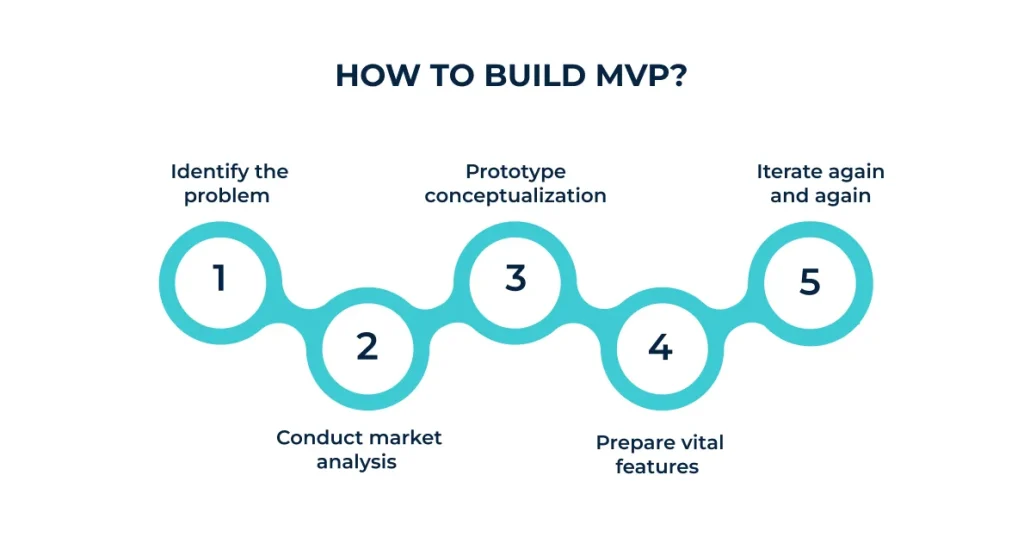
Start by identifying a specific problem in the logistics process. This could be inefficient route planning, lack of visibility, or poor inventory management.
Understand who will use your product—fleet managers, warehouse operators, or end customers. This helps in designing relevant features.
| Feature Category | Examples | Priority |
|---|---|---|
| Tracking | Real-time shipment updates | High |
| Management | Order and inventory control | High |
| Communication | Notifications and alerts | Medium |
| Analytics | Reports and dashboards | Low (initially) |
Selecting scalable and flexible technologies ensures that your MVP can evolve into a full product without major rework.
Develop the MVP, launch it to a limited audience, and continuously improve based on feedback and performance metrics.
While features may vary depending on the business model, some essential functionalities include:
| Aspect | MVP | Full Product |
|---|---|---|
| Development Time | 2–4 months | 6–12+ months |
| Cost | Low | High |
| Features | Core only | Comprehensive |
| Risk | Low | Higher |
| Flexibility | High | Moderate |
The cost of developing a logistics MVP depends on complexity, features, and development team location. Here’s a rough estimate:
| MVP Type | Estimated Cost | Timeline |
|---|---|---|
| Basic MVP | $10,000 – $25,000 | 2–3 months |
| Intermediate MVP | $25,000 – $50,000 | 3–5 months |
| Advanced MVP | $50,000+ | 5–7 months |

API integration plays a crucial role in MVP development by enabling seamless communication between systems. APIs allow startups to:
Once your MVP is validated, the next step is scaling. This involves:
Emerging technologies are shaping the future of logistics startups:
Incorporating these technologies in later stages can significantly enhance your product’s value.

BM Coder is a trusted software development company specializing in logistics solutions. We help startups build MVPs that are scalable, cost-effective, and market-ready.
Our expertise includes:
Building an MVP is the smartest way for logistics startups to enter the market, validate ideas, and reduce risks. By focusing on core features, leveraging modern technologies, and iterating based on user feedback, startups can create successful and scalable logistics solutions.
The key is to start small, learn fast, and scale strategically.
Partner with BM Coder to build a high-performance logistics MVP that helps you validate your idea and scale بسرعة.
📧 Email: [email protected]
📱 WhatsApp: +91 9586979730
Author: parth
