
MSME
Registered

Wedline
Registered

We Deliver
Clutch

28+ Reviews

250+ Projects
Completed

125+ Happy
Clients
MSME
Registered
Wedline
Registered
We Deliver
Clutch
28+ Reviews
250+ Projects
Completed
125+ Happy
Clients
Date: 23-04-2026
In the fast-paced world of modern business, the ability to stay competitive often hinges on the technology a company uses. For many organizations, legacy systems—older software and IT infrastructure—are holding them back. These outdated systems, while reliable in their time, often struggle to keep up with the demands of today's digital-first landscape. The process of modernizing these systems is no longer optional; it’s a strategic move that can give businesses the competitive edge they need to thrive in the digital era.
If your business is considering upgrading its legacy systems, explore our SaaS software development services at BM Coder. Our expert team can help you transition to modern, scalable solutions tailored to your specific business needs.
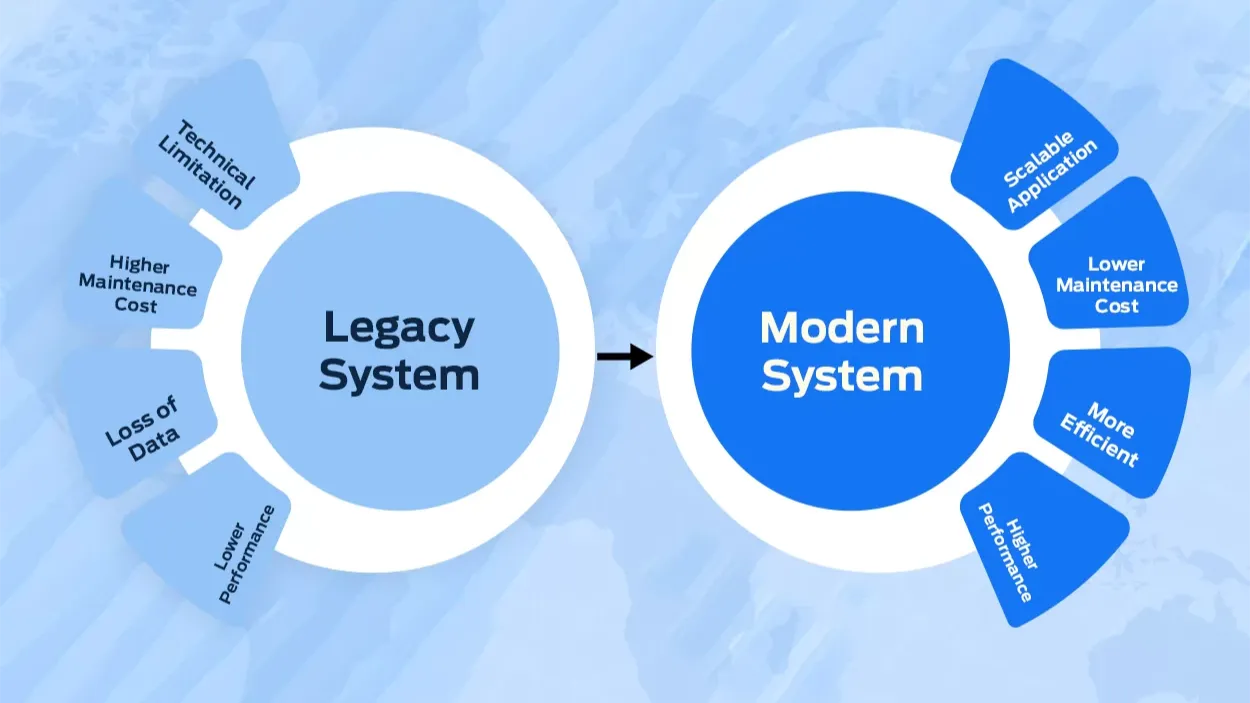
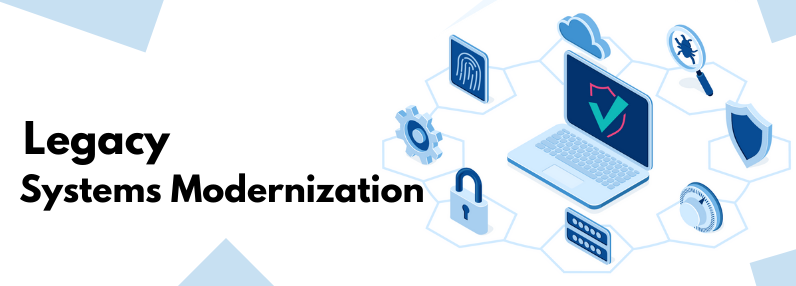
Legacy system modernization is the process of updating and transforming old, outdated software applications and infrastructure to align with current business needs and technologies. The goal is to enhance functionality, improve performance, and make systems more flexible and scalable to meet the demands of modern business operations.
For businesses, modernization can take various forms. Some may choose to refactor their existing codebase to work with modern platforms, while others may opt for a complete overhaul, migrating to cloud-based solutions like Software as a Service (SaaS). Regardless of the approach, legacy system modernization is crucial to avoid operational inefficiencies, security vulnerabilities, and missed opportunities in the digital marketplace.
Legacy systems may have served their purpose in the past, but in today’s world, they are often a roadblock to progress. Businesses that rely on outdated technology risk losing their competitive advantage, especially when compared to companies that have already embraced digital transformation. Below are some key reasons why legacy system modernization is essential for businesses to stay competitive:
| Reason | Impact of Legacy Systems | Benefit of Modernization |
|---|---|---|
| Increased Operational Costs | Legacy systems require frequent maintenance, resulting in high operating costs and resource inefficiencies. | Modernized systems reduce long-term operational costs by leveraging cloud solutions, automation, and better resource management. |
| Security Risks | Older systems are more prone to security vulnerabilities and lack the necessary updates to protect against modern cyber threats. | Modern systems offer robust security features, compliance with industry regulations, and regular updates to safeguard your data. |
| Limited Scalability | Legacy systems are often rigid and incapable of handling rapid growth or changes in business needs. | Modernized systems, especially cloud-based solutions, offer scalability and flexibility to adapt to your business’s growth and evolving demands. |
| Reduced Productivity | Manual processes and outdated software hinder employee productivity and cause delays. | Automation and enhanced user interfaces streamline operations and improve employee productivity and decision-making. |
| Lack of Integration | Legacy systems often fail to integrate with modern tools, creating silos within the business. | Modern software solutions integrate seamlessly with other technologies, enabling data flow and better collaboration across departments. |

Modernizing legacy systems is not just about upgrading technology. It’s about unlocking new opportunities for growth, improving customer experience, and driving innovation. Here’s a closer look at the key benefits of system modernization:
Cloud computing and SaaS (Software as a Service) are the cornerstone of legacy system modernization. Migrating to the cloud offers businesses numerous advantages, including enhanced scalability, cost savings, and flexibility. SaaS solutions allow businesses to access state-of-the-art software on a subscription basis, ensuring they stay up-to-date with the latest features and functionalities without the need for manual upgrades or maintenance.
| Feature | Legacy Systems | Cloud/SaaS Solutions |
|---|---|---|
| Infrastructure | Requires in-house servers and hardware management. | No physical infrastructure required; hosted on cloud servers with maintenance handled by the service provider. |
| Cost Model | High upfront costs for hardware and software. Ongoing maintenance and upgrade costs. | Subscription-based payment, lowering initial costs and ensuring predictable ongoing expenses. |
| Security | Security management is handled internally, requiring constant attention to evolving threats. | Built-in security features provided by cloud service providers, including encryption, backups, and compliance with regulations. |
| Scalability | Scaling requires additional hardware or system upgrades, which can be expensive and time-consuming. | Cloud platforms scale automatically based on demand, ensuring your system grows with your business without added complexity. |
At BM Coder, we specialize in helping businesses navigate the complex process of legacy system modernization. Our team of experts works closely with you to understand your unique challenges and develop a roadmap for updating and transforming your legacy systems. Whether you need to migrate to a cloud-based solution or integrate modern SaaS applications, we can guide you every step of the way.
Contact us today to start your journey toward modernization and digital transformation:
Author: parth
