
MSME
Registered

Wedline
Registered

We Deliver
Clutch

28+ Reviews

250+ Projects
Completed

125+ Happy
Clients
MSME
Registered
Wedline
Registered
We Deliver
Clutch
28+ Reviews
250+ Projects
Completed
125+ Happy
Clients
Date: 18-03-2026
Medical laboratories are critical to modern healthcare, providing accurate and timely diagnostics that inform patient treatment plans. However, managing laboratory workflows manually can be inefficient, error-prone, and slow. Laboratory Information Management Systems (LIMS) have revolutionized laboratory operations by streamlining workflows, enhancing data accuracy, and improving overall diagnostic efficiency.
BM Coder specializes in developing advanced Laboratory Information Management Systems (LIMS) that help laboratories manage samples, track data, ensure regulatory compliance, and deliver accurate results faster.
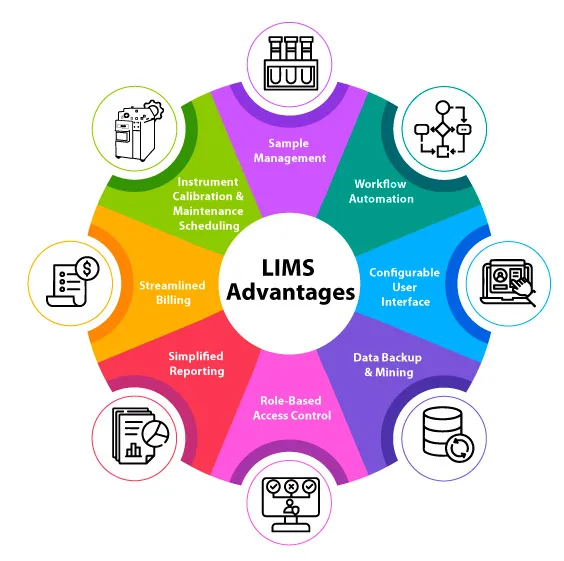
A Laboratory Information Management System (LIMS) is a software solution that manages all aspects of laboratory operations, including sample tracking, workflow automation, data management, reporting, and compliance. LIMS is designed to improve efficiency, accuracy, and traceability in laboratories.

Laboratories face multiple challenges that affect diagnostic efficiency:
| Feature | Description |
|---|---|
| Sample Tracking | Track the lifecycle of every sample from collection to disposal, ensuring traceability. |
| Workflow Automation | Automates routine laboratory tasks such as test assignment, result entry, and reporting. |
| Data Management | Centralizes storage of test data, patient records, and laboratory results for quick access. |
| Instrument Integration | Integrates with laboratory instruments to automatically capture test results, reducing manual entry. |
| Regulatory Compliance | Ensures adherence to standards such as ISO 15189, CLIA, and HIPAA. |
| Inventory and Reagent Management | Tracks lab supplies, reagents, and consumables to prevent shortages and overstocking. |
| Reporting and Analytics | Generates real-time reports and dashboards to monitor performance and optimize lab operations. |
LIMS ensures that every sample is correctly labeled, tracked, and processed according to standard operating procedures. Barcode scanning and digital records reduce the risk of misidentification, ensuring accurate results.
Routine tasks such as test allocation, data entry, and result verification are automated. This reduces manual labor, minimizes errors, and allows laboratory staff to focus on high-value analytical work.
By integrating instruments and automating workflows, LIMS significantly shortens the time from sample receipt to result reporting. Faster diagnostics enable timely clinical decisions, improving patient care.
LIMS maintains a complete electronic record of all samples, tests, and personnel activities. This ensures labs remain compliant with regulations and simplifies audits.
LIMS monitors reagent usage and stock levels in real-time. Automated alerts prevent stockouts and reduce over-purchasing, ensuring uninterrupted laboratory operations.
| Benefit | Description |
|---|---|
| Enhanced Diagnostic Accuracy | Reduces errors through automated sample tracking and data integration. |
| Increased Efficiency | Streamlines workflows, shortens turnaround time, and reduces manual work. |
| Compliance and Traceability | Maintains audit trails and meets regulatory standards. |
| Data-Driven Decision Making | Analytics and reports help optimize resource allocation and lab performance. |
| Cost Savings | Reduces wastage of reagents, prevents repeat tests, and optimizes inventory. |
| Improved Staff Productivity | Automation allows staff to focus on analytical and diagnostic tasks rather than manual data handling. |
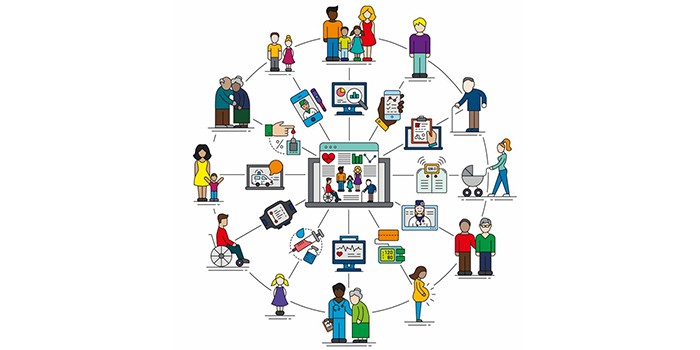
Integrating LIMS with other hospital systems enhances operational efficiency:
A regional diagnostic lab struggled with slow turnaround times, lost samples, and data inconsistencies. After implementing BM Coder’s LIMS:
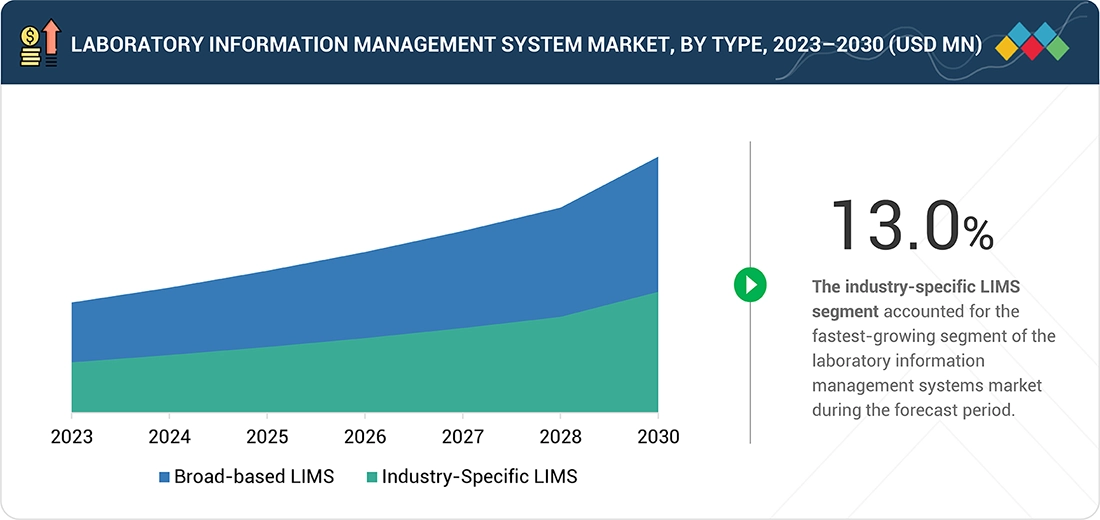
The LIMS landscape is evolving with technology innovations:
Laboratory Information Management Systems are essential for improving diagnostic efficiency, accuracy, and overall laboratory productivity. By automating workflows, integrating with instruments, and providing real-time analytics, LIMS empowers laboratories to deliver timely and reliable results while maintaining compliance and optimizing costs.
BM Coder offers tailored LIMS solutions that streamline laboratory operations, enhance diagnostic accuracy, and ensure operational efficiency in healthcare facilities.
Author: parth
