
MSME
Registered

Wedline
Registered

We Deliver
Clutch

28+ Reviews

250+ Projects
Completed

125+ Happy
Clients
MSME
Registered
Wedline
Registered
We Deliver
Clutch
28+ Reviews
250+ Projects
Completed
125+ Happy
Clients
Date: 20-03-2026
In today's healthcare ecosystem, patient engagement and retention are critical indicators of a hospital's success. Hospitals are no longer just focused on treating illnesses—they aim to build lasting relationships with patients, improve experiences, and ensure continuity of care. One of the most effective tools for achieving these goals is a hospital CRM platform.
BM Coder, a leading software development company, specializes in building advanced CRM solutions tailored for hospitals, enabling better patient engagement, seamless communication, and improved retention rates. Contact us today via email or WhatsApp to explore how our CRM solutions can transform your hospital.
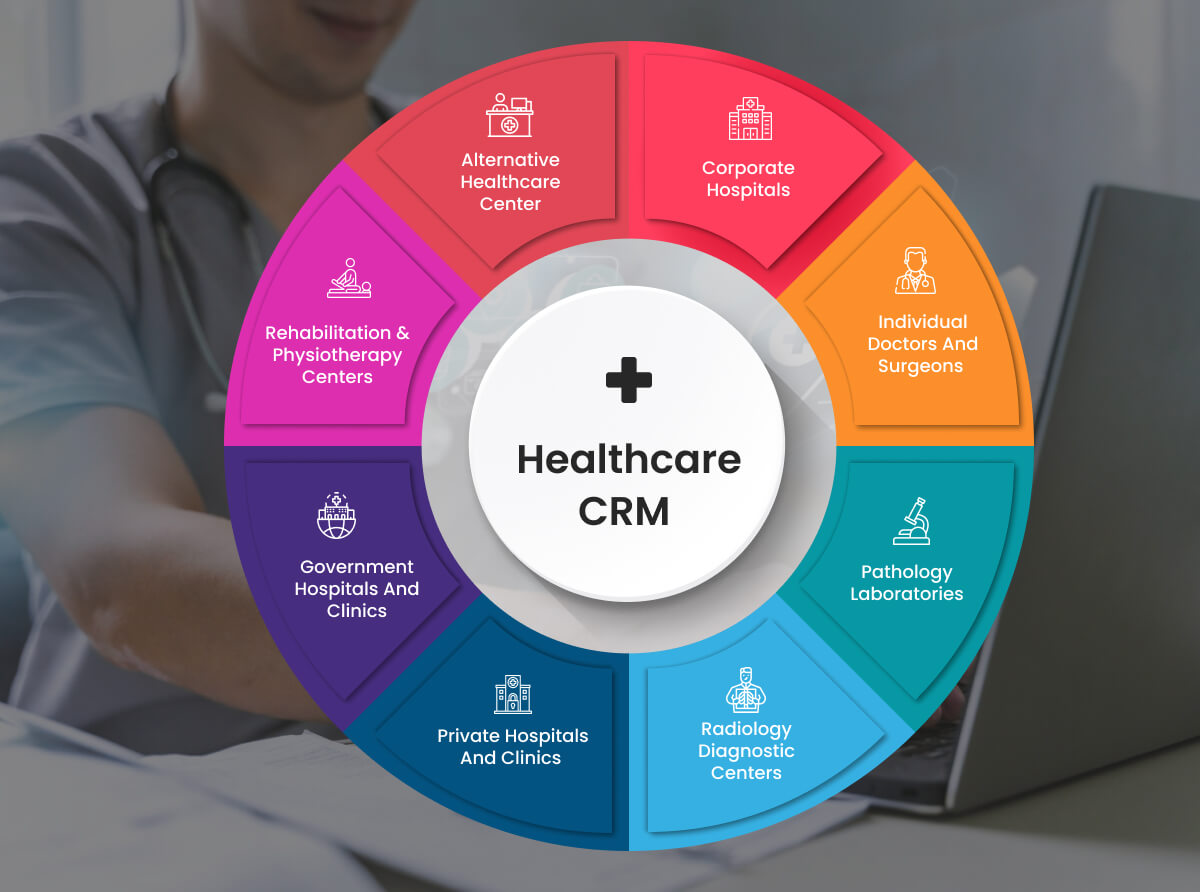
A Hospital CRM (Customer Relationship Management) platform is a specialized software designed to manage all interactions between patients and the hospital. It consolidates patient information, tracks communication, automates reminders, and provides actionable insights to improve the patient experience and loyalty.
Typical functionalities include:
Even the most advanced hospitals face difficulties in engaging patients effectively. Common challenges include:
| Challenge | Impact |
|---|---|
| Fragmented Patient Data | Patient information scattered across multiple systems leads to incomplete insights and missed opportunities. |
| Poor Communication | Manual calls and emails are inconsistent, delaying patient follow-ups and reducing satisfaction. |
| High Administrative Workload | Staff spend excessive time tracking patient interactions instead of delivering care. |
| Low Patient Retention | Lack of engagement leads patients to switch providers or disengage from follow-ups. |
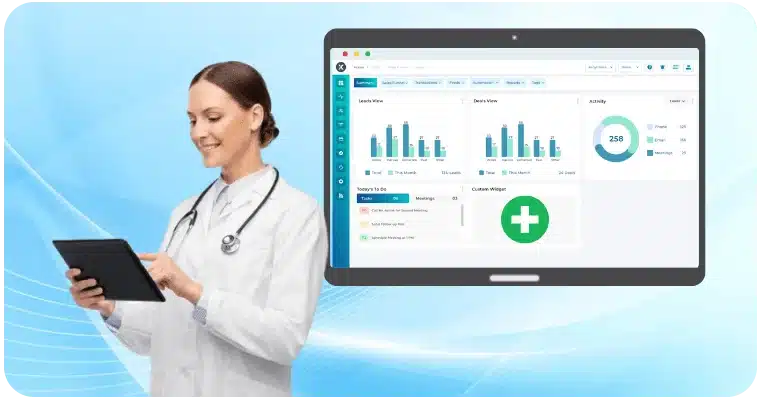
Hospital CRMs streamline interactions and ensure patients feel valued and supported throughout their healthcare journey. The key benefits include:
All patient data is stored in one system, providing healthcare staff with complete visibility into patient history, preferences, and previous communications. This allows for personalized and proactive care.
CRMs automate appointment reminders, follow-ups, and notifications, reducing missed visits and improving adherence to care plans.
Segmentation and patient profiling allow hospitals to send targeted messages based on treatment plans, demographics, or engagement history, enhancing relevance and response rates.
CRM platforms enable real-time collection of patient feedback through surveys and forms. Hospitals can analyze this data to identify areas for improvement and implement patient-centered strategies.
Analytics tools in CRMs track engagement patterns, identify at-risk patients, and provide actionable insights to optimize outreach strategies and retention programs.
| Feature | Benefit |
|---|---|
| Patient Dashboard | Provides a complete view of patient interactions, treatment history, and engagement activities. |
| Automated Reminders | Reduces missed appointments and improves adherence to care plans. |
| Segmentation & Personalization | Enables targeted communication for individual patient needs and demographics. |
| Integration with EHR | Ensures accuracy and consistency of patient records across hospital systems. |
| Feedback & Surveys | Collects real-time patient insights to improve services and engagement. |
| Analytics & Reporting | Tracks KPIs, identifies trends, and informs decision-making for patient retention strategies. |
| Marketing Automation | Supports patient education campaigns, preventive care reminders, and wellness programs. |
| Stakeholder | Benefits |
|---|---|
| Patients | Receive personalized care, timely reminders, improved communication, and an overall better healthcare experience. |
| Healthcare Providers | Reduced administrative workload, improved patient adherence, and better insight into patient needs. |
| Hospitals | Higher patient retention, optimized workflows, data-driven insights, and improved operational efficiency. |
A multi-specialty hospital faced challenges with low patient retention, missed follow-ups, and inconsistent communication. After implementing BM Coder’s hospital CRM:
| Before CRM | After CRM |
|---|---|
| Missed appointments: 20% per month | Missed appointments reduced to 5% per month |
| Delayed follow-ups and reminders | Automated communication improved follow-up adherence to 90% |
| Patient satisfaction: 68% | Patient satisfaction increased to 95% |
| Manual tracking and fragmented data | Centralized dashboard enabled seamless management and actionable insights |
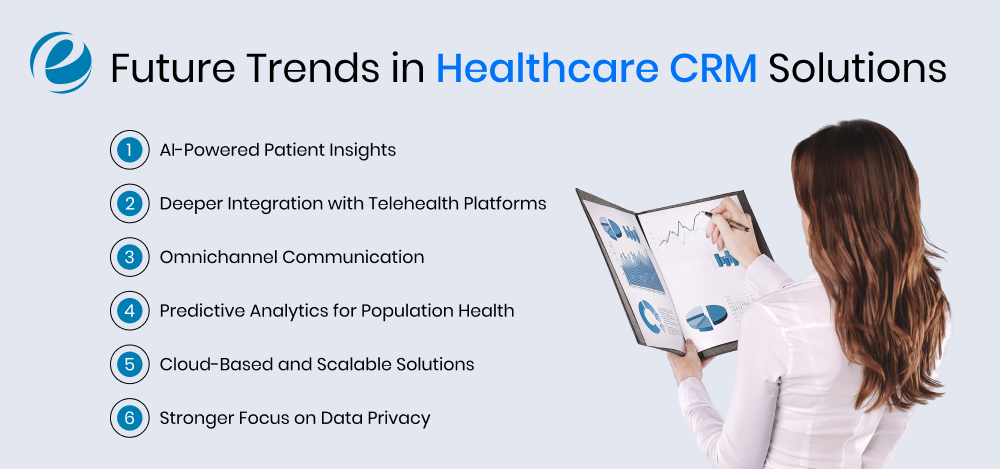
Hospital CRMs store sensitive patient information, so security and regulatory compliance are critical. Best practices include:
| Security Feature | Purpose |
|---|---|
| Data Encryption | Protects patient data in transit and storage |
| Role-Based Access Control | Ensures only authorized staff can access sensitive information |
| HIPAA Compliance | Maintains patient privacy and meets regulatory requirements |
| Audit Trails | Tracks system activity for accountability and security monitoring |
| Regular Security Updates | Prevents vulnerabilities and ensures system reliability |
| Criteria | Considerations |
|---|---|
| Integration | Seamless connectivity with EHR, hospital apps, telehealth platforms, and marketing tools |
| User Experience | Intuitive interface for hospital staff and administrators |
| Scalability | Ability to accommodate growing patient volumes and additional modules |
| Vendor Support | Reliable technical support, training, and updates |
| Security & Compliance | HIPAA-compliant, secure authentication, encryption, and audit trails |
Hospital CRM platforms are revolutionizing patient engagement and retention. By centralizing patient data, automating communication, enabling personalized engagement, and providing actionable insights, hospitals can significantly improve patient satisfaction and loyalty. Hospitals that adopt CRM solutions not only enhance the patient experience but also streamline operations, optimize workflows, and make data-driven decisions that improve overall healthcare outcomes.
BM Coder provides customized hospital CRM development solutions that empower hospitals to engage patients effectively and boost retention. Take the first step toward transforming patient relationships today by contacting us via email or WhatsApp.
Author: parth
