
MSME
Registered

Wedline
Registered

We Deliver
Clutch

28+ Reviews

250+ Projects
Completed

125+ Happy
Clients
MSME
Registered
Wedline
Registered
We Deliver
Clutch
28+ Reviews
250+ Projects
Completed
125+ Happy
Clients
Date: 18-03-2026
Managing finances in a hospital is a complex task that involves multiple departments, regulatory compliance, and meticulous tracking of revenue and expenses. Traditional manual accounting processes are often prone to errors, delays, and inefficiencies. This is where hospital accounting software comes into play, providing hospitals with the tools to streamline financial management, enhance transparency, and optimize operational efficiency.
BM Coder specializes in developing tailored hospital accounting software solutions that simplify financial operations, helping hospitals reduce errors, accelerate reporting, and maintain compliance effortlessly.
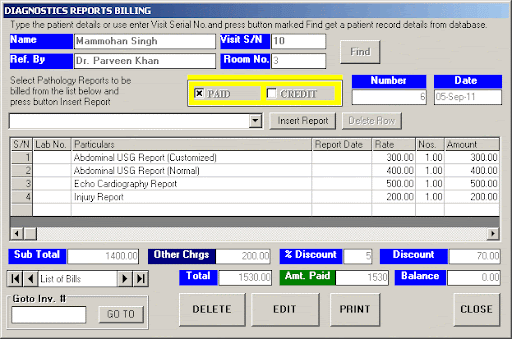
Hospital accounting software is a specialized financial management system designed for healthcare institutions. Unlike standard accounting systems, it integrates hospital-specific workflows such as patient billing, insurance claims, departmental budgets, and regulatory reporting. This ensures accurate tracking of both revenue and expenditure while minimizing manual interventions.

Before implementing accounting software, hospitals often face several financial management challenges:
Modern hospital accounting software integrates various modules to provide a seamless financial management experience. Key features include:
| Feature | Description |
|---|---|
| Patient Billing Management | Automates billing for services, procedures, and medications with accurate invoice generation. |
| Insurance Claims Handling | Tracks claims submission, reimbursement, and patient responsibility efficiently. |
| Financial Reporting | Generates real-time reports on revenue, expenses, cash flow, and departmental performance. |
| Budgeting and Forecasting | Helps hospital management plan budgets, monitor expenses, and forecast financial outcomes. |
| Compliance and Audit Support | Maintains detailed financial records, ensures regulatory compliance, and supports auditing processes. |
| Multi-Department Integration | Connects finance with clinical, pharmacy, and lab departments for unified financial tracking. |

Hospital accounting software simplifies financial management in several ways:
The software automates the generation of invoices, tracks patient payments, and integrates insurance claims management. This ensures timely and accurate revenue collection, reducing administrative burden.
By automating calculations and tracking financial transactions in real-time, accounting software minimizes human errors, ensuring precise financial records.
Hospital administrators gain access to dashboards and reports that provide a clear view of cash flow, departmental revenue, and expense trends. This allows for better decision-making and resource allocation.
Hospital accounting software keeps detailed records of financial transactions, helping hospitals comply with tax regulations, healthcare standards, and audit requirements.
Automation reduces the need for excessive administrative staff, lowers operational costs, and improves overall financial efficiency.
| Benefit | Description |
|---|---|
| Time Savings | Automates routine tasks, allowing staff to focus on critical financial and operational decisions. |
| Improved Accuracy | Reduces manual errors in billing, payroll, and reporting. |
| Enhanced Financial Control | Provides management with clear insights into revenue streams and expense patterns. |
| Better Patient Experience | Transparent billing and error-free invoices increase patient trust and satisfaction. |
| Scalability | Software can handle multi-location hospitals and growing patient volumes efficiently. |
Hospital accounting software works best when integrated with other hospital systems such as:
This integration ensures data consistency, reduces duplicate entry, and streamlines hospital operations.

To maximize the benefits of hospital accounting software, hospitals should follow these implementation best practices:
A multi-specialty hospital was struggling with delayed financial reporting and billing errors. After implementing BM Coder’s hospital accounting software:
This case demonstrates how specialized accounting software can transform hospital financial management.
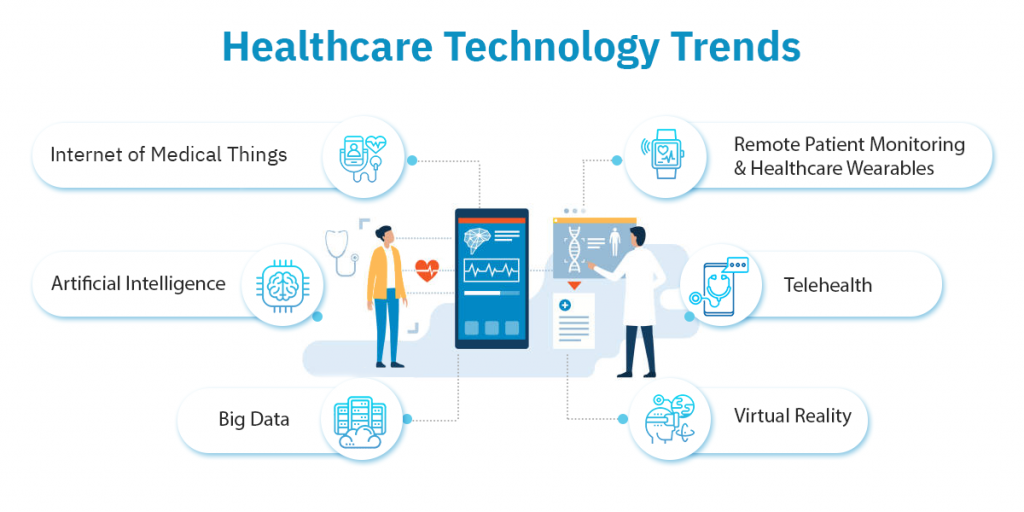
The future of hospital accounting is being shaped by technology innovations such as:
Hospital accounting software is an essential tool for modern healthcare institutions aiming to streamline financial operations, improve accuracy, and enhance patient satisfaction. By automating complex workflows, providing real-time insights, and ensuring compliance, hospitals can achieve operational efficiency and financial stability.
BM Coder offers customized hospital accounting software solutions designed to simplify your hospital’s financial management.
Author: parth
