
MSME
Registered

Wedline
Registered

We Deliver
Clutch

28+ Reviews

250+ Projects
Completed

125+ Happy
Clients
MSME
Registered
Wedline
Registered
We Deliver
Clutch
28+ Reviews
250+ Projects
Completed
125+ Happy
Clients
Date: 22-04-2026
In today’s fast-paced world, businesses need to stay agile to thrive, especially those that manage field operations. The key to enhancing the efficiency of your on-site team lies in implementing the right technology. This is where field management software comes into play. Field management software offers a solution that streamlines communication and boosts productivity, creating a more organized, efficient, and responsive workflow for field-based teams.
Field management tools are not only transforming how teams operate on-site but also providing real-time updates, reducing errors, improving team collaboration, and ultimately ensuring projects are completed on time and within budget.
In this blog, we will explore the various ways field management software improves on-site productivity and communication, covering its core features, benefits, and how it can make a significant difference in your business operations.

Field management software is a set of tools and applications designed to assist businesses in managing field operations, such as construction, maintenance, and service tasks. These software solutions enable managers and field teams to stay connected, share real-time updates, schedule tasks, track assets, and streamline work processes.
Typically, field management software includes features like:
Now, let's look at how these features specifically improve productivity and communication on-site.

Implementing field management software can bring about significant improvements in multiple areas of your business. Here’s how it helps:
Effective communication is the backbone of any successful project. Field management software ensures seamless communication between field teams and the office. With instant messaging, push notifications, and real-time updates, the software enables teams to stay connected at all times, ensuring that information is transferred efficiently and errors are minimized.
Field teams spend a lot of time on manual, paper-based tasks, such as filling out forms, reporting issues, or updating schedules. Field management software automates many of these processes, allowing workers to focus more on their core tasks. This not only improves productivity but also reduces delays caused by miscommunication or lost information.
Field management software allows managers to monitor job progress in real-time. Managers can see which tasks are completed, which are still in progress, and which may be falling behind. This visibility into field operations ensures that project timelines are adhered to and resources are allocated efficiently.
By reducing the reliance on paper-based documentation and manual processes, field management software helps in reducing operational costs. It also reduces travel costs as teams can communicate and update statuses remotely, without needing to go back to the office for check-ins.
Manual paperwork is prone to human error. Field management software eliminates this by automating data entry and providing pre-configured forms that reduce the chances of mistakes. This leads to better data quality and improved decision-making.
To learn more about how field management software can benefit your company, feel free to visit our service page.
| Feature | Description | Benefit |
|---|---|---|
| Job Scheduling | Schedule and assign tasks to field teams based on availability and priority. | Ensures that the right resources are allocated to the right tasks, improving efficiency. |
| Real-Time Communication | Instant messaging and notifications between field staff and managers. | Eliminates delays caused by communication gaps, ensuring faster decision-making. |
| Asset Tracking | Track tools, equipment, and vehicles in real-time. | Reduces the risk of theft and loss, while also improving asset management. |
| Time Tracking | Track hours worked by field employees and generate reports. | Improves payroll accuracy and helps manage labor costs effectively. |
| Reporting and Analytics | Collects and analyzes data to generate reports on job performance. | Provides insights that help improve future project planning and resource allocation. |
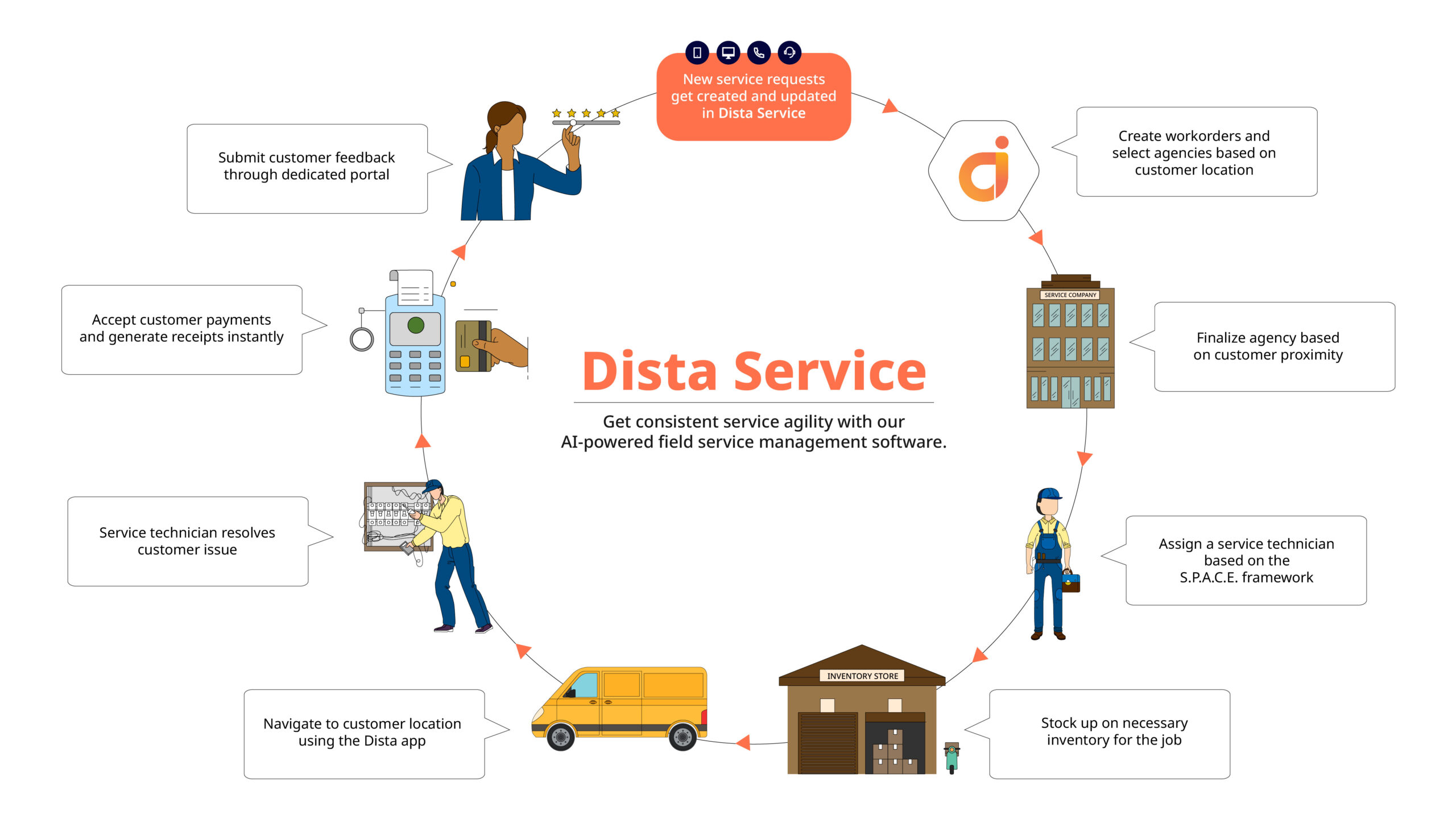
Clear and timely communication is critical in any project. Field management software centralizes communication, making it easier to exchange information and stay in sync. Here's how it works:
By improving communication, field management software helps minimize confusion and ensures that everyone is on the same page throughout the project lifecycle.
Field management software can be applied in various industries to enhance both productivity and communication. Some examples include:
No matter the industry, field management software can be customized to meet the unique needs of any business.

Field management software is transforming the way businesses manage their on-site operations. By improving communication, increasing productivity, and providing real-time insights into operations, companies can streamline processes, reduce errors, and save time and money.
If you’re ready to take your field operations to the next level, consider implementing field management software into your workflow. It’s an investment that will pay off in terms of efficiency, accuracy, and profitability.
If you’d like to know more or get started with field management software for your business, email us or reach out via WhatsApp.
Author: parth
