
MSME
Registered

Wedline
Registered

We Deliver
Clutch

28+ Reviews

250+ Projects
Completed

125+ Happy
Clients
MSME
Registered
Wedline
Registered
We Deliver
Clutch
28+ Reviews
250+ Projects
Completed
125+ Happy
Clients
Date: 30-04-2026
By BM Coder — Enterprise Software Development Company
Every successful digital product hits the same wall. Traffic spikes during a sale, and the site slows to a crawl. A new feature requires a full redeployment that takes the entire system down. A single database becomes the bottleneck for millions of users. Teams spend more time fighting fires than building features.
This is the monolith problem. Traditional applications were built as single large codebases running on fixed servers. They worked well for predictable loads, but they cannot handle the scale, speed, and resilience that modern businesses demand.
Cloud native applications solve this fundamentally. Instead of one big application, you build many small, independent services packaged in containers, orchestrated by Kubernetes, and deployed continuously to the cloud. At BM Coder, we architect these systems every day. Our core expertise in microservices architecture development is the foundation of every cloud native platform we deliver, enabling clients to scale from thousands to millions of users without rewriting their core product.
We design and develop scalable, high performance cloud native applications using Kubernetes, microservices, and DevOps automation.
Email: [email protected]
WhatsApp: +91 95869 79730
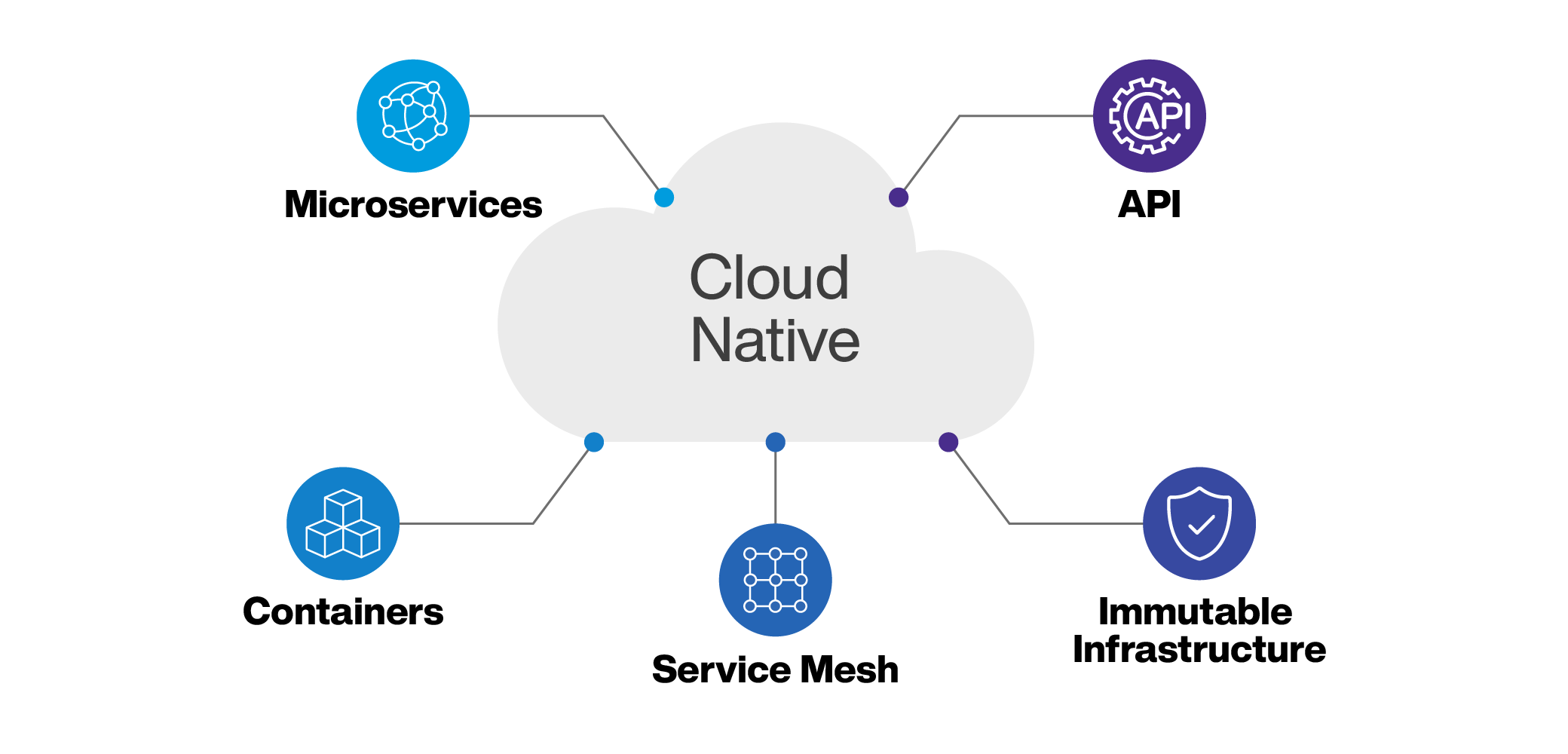
Cloud native is not just hosting on AWS or Azure. It is a design philosophy with four core principles.
First, containers. Every service runs in a lightweight, portable container with all its dependencies. This eliminates works on my machine problems and ensures consistency from laptop to production.
Second, microservices. Applications are decomposed into small, business focused services that communicate via APIs. Each service can be developed, deployed, and scaled independently.
Third, dynamic orchestration. Kubernetes automatically schedules containers, handles failures, scales up and down, and manages networking and storage.
Fourth, automation and observability. CI/CD pipelines build and deploy code in minutes. Monitoring, logging, and tracing provide full visibility into performance.
Together, these principles create systems that are resilient by design, not by accident.
| Dimension | Monolithic Application | Cloud Native Application | Impact |
|---|---|---|---|
| Architecture | Single codebase, single database | Microservices, polyglot persistence | Independent scaling and deployment |
| Scalability | Scale entire app vertically | Scale individual services horizontally | Handle 10x traffic spikes efficiently |
| Deployment | Monthly releases, downtime | Multiple deploys per day, zero downtime | Faster time to market |
| Resilience | Single point of failure | Self healing, circuit breakers | 99.99 percent uptime |
| Performance | Shared resources, contention | Auto scaling, caching, CDN | Sub 200 ms p95 latency |
| Team Velocity | Coordination overhead | Small autonomous teams | 3x to 5x faster feature delivery |
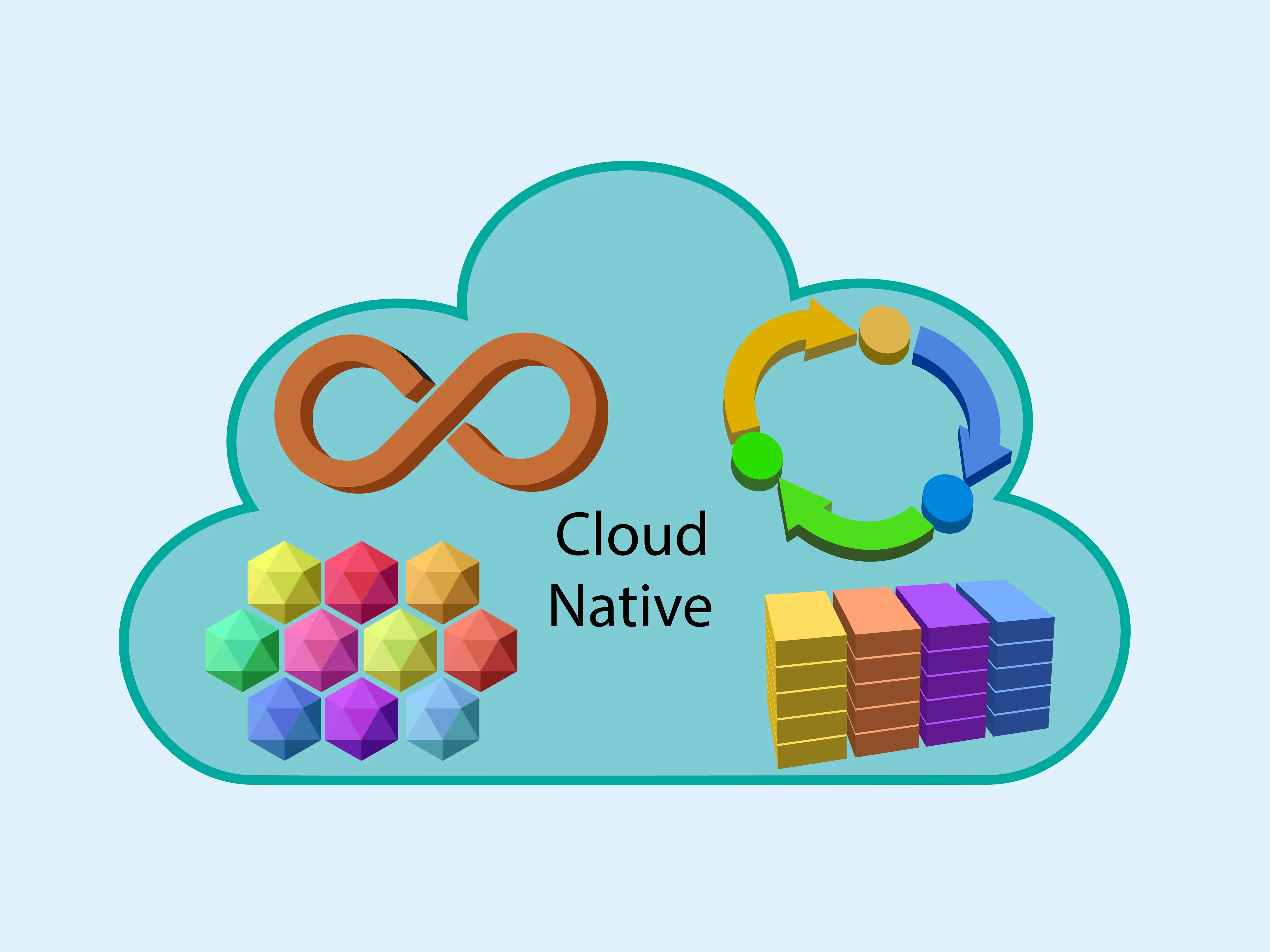
Scalability means handling growth without performance degradation or cost explosion. Cloud native achieves this through three mechanisms.
1. Horizontal Scaling: Instead of buying a bigger server, you add more small containers. Kubernetes Horizontal Pod Autoscaler monitors CPU, memory, or custom metrics like queue length, and adds pods automatically. During a flash sale, the checkout service can scale from 5 to 200 instances in 60 seconds, then scale back down when traffic normalizes. You pay only for what you use.
2. Independent Scaling: In a monolith, you must scale everything even if only one feature is busy. In cloud native, each microservice scales independently. The product catalog might need 50 replicas, while the admin panel needs only 2. This granular scaling reduces cloud costs by 30 to 50 percent.
3. Stateless Design: Cloud native services are stateless. Any instance can handle any request. Session data lives in Redis, files in S3, and databases are separate. This allows instant scaling and seamless failover. If a pod crashes, Kubernetes replaces it in seconds with no user impact.
Performance is about speed and efficiency under load. Cloud native applications achieve this through architecture, not just bigger hardware.
Proximity and Caching: Content is served from CDNs at the edge, close to users. API responses are cached in Redis or Memcached. Database queries use read replicas. This reduces latency from 800 ms to under 100 ms for global users.
Asynchronous Processing: Heavy tasks are moved off the request path. When a user places an order, the API returns instantly while background workers process payment, inventory, and email via message queues like Kafka or RabbitMQ. This keeps APIs fast even under peak load.
Resource Optimization: Containers use only what they need. Kubernetes bin packs workloads efficiently across nodes. Auto scaling ensures you never over provision. Performance testing is built into pipelines, catching regressions before production.
Our microservices architecture development practice designs services with clear performance budgets, p95 under 200 ms, error rate under 0.1 percent, ensuring consistent user experience at scale.
| Layer | Technology | Purpose | Scalability Benefit |
|---|---|---|---|
| Containers | Docker, Podman | Portable packaging | Consistent deployment anywhere |
| Orchestration | Kubernetes, EKS, AKS, GKE | Auto scaling, healing | Handle variable load automatically |
| API Gateway | Kong, Istio, AWS API Gateway | Routing, rate limiting | Protect backend services |
| Service Mesh | Istio, Linkerd | mTLS, observability | Secure, reliable service to service |
| Messaging | Kafka, RabbitMQ, SQS | Async processing | Decouple and buffer load spikes |
| Observability | Prometheus, Grafana, Jaeger | Metrics, traces, logs | Find bottlenecks fast |
High performance is meaningless if the system goes down. Cloud native applications are designed for failure.
Circuit breakers prevent cascading failures. If the payment service is slow, the checkout degrades gracefully instead of crashing. Retries with exponential backoff handle transient errors. Bulkheads isolate failures to one service.
Kubernetes provides self healing. Failed pods are restarted automatically. Multi zone and multi region deployments ensure availability even if an entire data center fails. Chaos engineering tools like LitmusChaos test resilience proactively.
This is why cloud native platforms achieve 99.95 to 99.99 percent uptime while deploying multiple times per day.
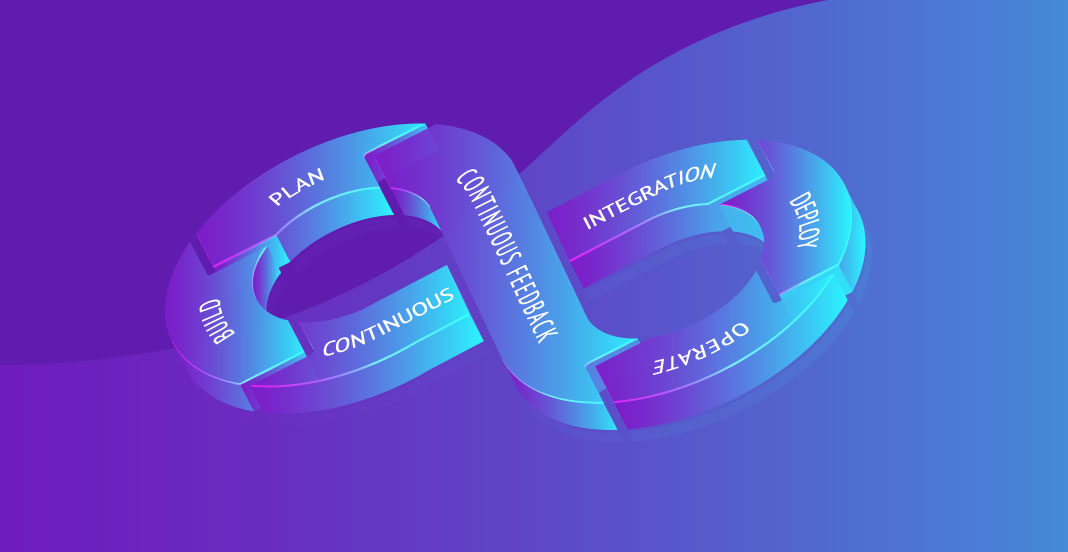
Scalability is not just runtime, it is also development velocity. Cloud native enables true CI/CD.
Developers push code to Git. Pipelines build container images, run tests, scan for vulnerabilities, and deploy to staging automatically. Canary deployments send new versions to 5 percent of users first. If metrics are healthy, rollout continues. If not, automatic rollback occurs.
Infrastructure is code. Terraform defines clusters, networks, and databases. This allows environments to be recreated in minutes, and ensures production matches staging exactly.
Teams own their services end to end, from code to production. This reduces handoffs and accelerates innovation.
| Stage | Characteristics | Limitations | Next Step |
|---|---|---|---|
| 1. Lift and Shift | Monolith on VMs in cloud | No scalability benefits | Containerize application |
| 2. Containerized | Docker, basic Kubernetes | Manual scaling | Add CI/CD and autoscaling |
| 3. Microservices | Decomposed services, API gateway | Observability gaps | Implement tracing and service mesh |
| 4. Cloud Native | Full automation, GitOps, chaos testing | Complexity management | Platform engineering, cost optimization |
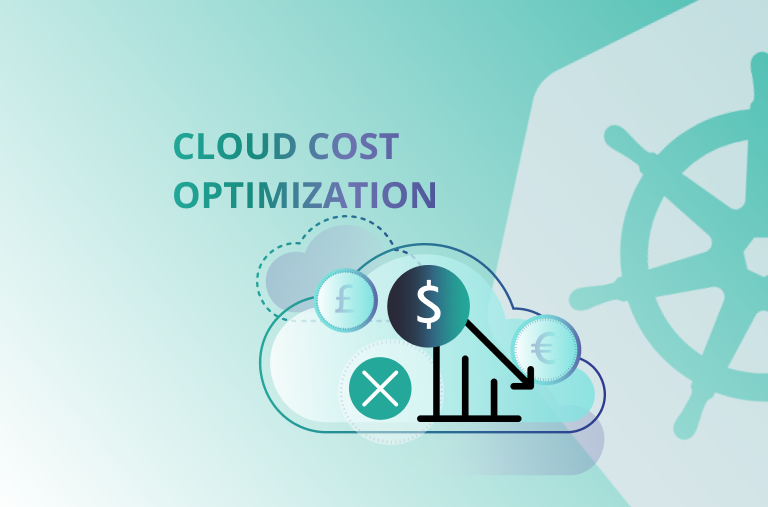
Many fear cloud native is expensive. In reality, it reduces total cost of ownership. You pay for compute by the second, not by the server. Auto scaling prevents over provisioning. Spot instances and Karpenter reduce compute costs by up to 70 percent for batch workloads.
More importantly, developer productivity increases. Teams deploy independently without coordination meetings. Downtime costs drop dramatically. One e-commerce client reduced infrastructure cost by 42 percent after migrating from monolith to microservices, while handling 5x more traffic.
Fintech: Payment platforms handle 10,000 TPS during peak hours by scaling payment authorization services independently, while keeping compliance services at fixed scale.
E-commerce: Catalog, search, and recommendations scale separately during sales. Search uses Elasticsearch cluster that auto scales, while checkout uses high memory instances.
SaaS: Multi tenant platforms isolate noisy neighbors using Kubernetes namespaces and resource quotas, ensuring consistent performance for all customers.
IoT: Millions of devices send telemetry to Kafka. Stream processors scale horizontally to handle ingestion, while analytics runs on separate compute.
We follow a proven framework. First, domain driven design to identify service boundaries. We avoid the distributed monolith anti pattern by defining clear bounded contexts.
Second, we build a platform foundation, Kubernetes cluster, CI/CD pipelines, observability stack, and service mesh, before writing business code. This ensures every service inherits scalability and security.
Third, we implement the strangler fig pattern for migrations. We gradually extract services from legacy monoliths, routing traffic via API gateway, reducing risk.
Our reference architecture uses Kubernetes on EKS/AKS/GKE, Istio for mesh, ArgoCD for GitOps, Prometheus and Grafana for monitoring, and OpenTelemetry for tracing. We enforce non functional requirements from day one, latency budgets, SLOs, and chaos tests.
First, building microservices too small. This creates operational overhead. We size services by business capability, not by technical function.
Second, ignoring data. Distributed systems need patterns like saga, outbox, and CQRS to maintain consistency. We design data flows early.
Third, poor observability. Without distributed tracing, debugging is impossible. We implement tracing as a first class citizen.
Fourth, manual operations. Cloud native without automation is just complexity. We automate everything from provisioning to rollbacks.

Cloud native is evolving into internal developer platforms. Teams get self service portals to deploy services without Kubernetes expertise. AI is being used for predictive autoscaling, anomaly detection, and automated incident response.
Serverless containers and WebAssembly will further improve startup times and density. Edge computing will bring cloud native patterns closer to users for ultra low latency.
Cloud native applications enable scalability and high performance not through bigger servers, but through better architecture. Containers provide portability. Microservices enable independent scaling. Kubernetes provides automation. Observability provides control.
The result is systems that handle massive growth, recover from failures automatically, deploy daily without downtime, and deliver consistent fast experiences to users worldwide.
BM Coder helps companies make this transition with proven patterns, production grade platforms, and deep expertise in microservices and cloud native engineering.
Get a free cloud native architecture review. We will assess your current system and provide a roadmap to scalability and high performance.
Email: [email protected]
WhatsApp: +91 95869 79730
Author: parth
