
MSME
Registered

Wedline
Registered

We Deliver
Clutch

28+ Reviews

250+ Projects
Completed

125+ Happy
Clients
MSME
Registered
Wedline
Registered
We Deliver
Clutch
28+ Reviews
250+ Projects
Completed
125+ Happy
Clients
Date: 18-03-2026
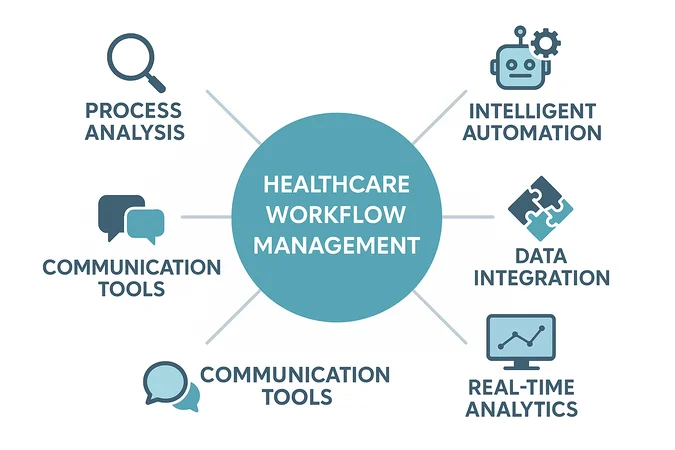
Healthcare delivery involves multiple teams working together to provide patient care efficiently and safely. Clinical workflow software is emerging as a crucial tool that improves communication, task management, and coordination across departments. Hospitals adopting such solutions report better efficiency, fewer errors, and improved patient outcomes.
BM Coder develops advanced clinical workflow management software that helps hospitals streamline operations, enhance collaboration among healthcare teams, and optimize patient care. To modernize your hospital’s workflows, contact us via email or connect instantly on WhatsApp.
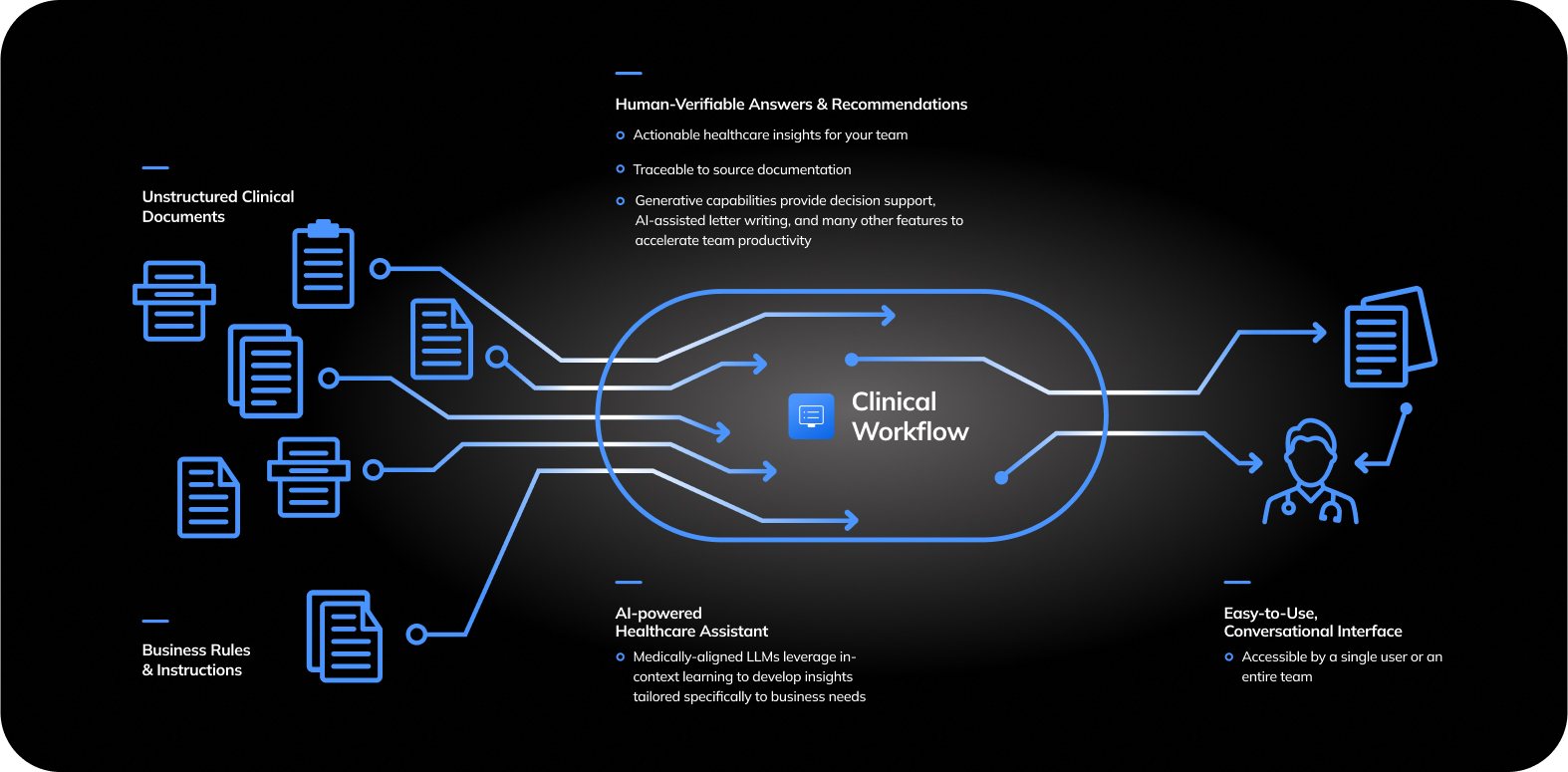
Clinical workflow software is a digital platform designed to manage tasks, communications, and processes in healthcare settings. It centralizes patient information, tracks treatment plans, and enables coordination between physicians, nurses, lab technicians, and administrative staff.
Key functionalities include:
Hospitals face challenges like fragmented communication, duplicated tasks, and delayed treatments. Clinical workflow software addresses these issues by providing:
Team members can share patient information, updates, and alerts in real time, reducing miscommunication and delays.
Tasks can be assigned, tracked, and updated within the system, ensuring accountability and timely completion.
Centralized data and coordinated care reduce errors, ensure adherence to protocols, and enhance treatment quality.
Automated workflows and analytics help hospitals optimize resource allocation, staff scheduling, and procedural planning.
| Benefit | Description | Impact on Healthcare Teams |
|---|---|---|
| Streamlined Communication | Real-time messaging, alerts, and notifications | Reduces miscommunication and delays in patient care |
| Task Management | Assign, track, and prioritize clinical tasks | Improves accountability and workflow completion |
| Centralized Patient Information | Unified access to EHR, lab results, and treatment plans | Enhances decision-making and reduces duplication of work |
| Analytics & Reporting | Real-time dashboards and efficiency metrics | Supports strategic planning and process improvement |
| Resource Optimization | Optimizes staff schedules, equipment use, and bed allocation | Reduces bottlenecks and improves operational efficiency |
| Compliance & Security | Automated audit trails and secure data management | Ensures regulatory compliance and reduces legal risk |
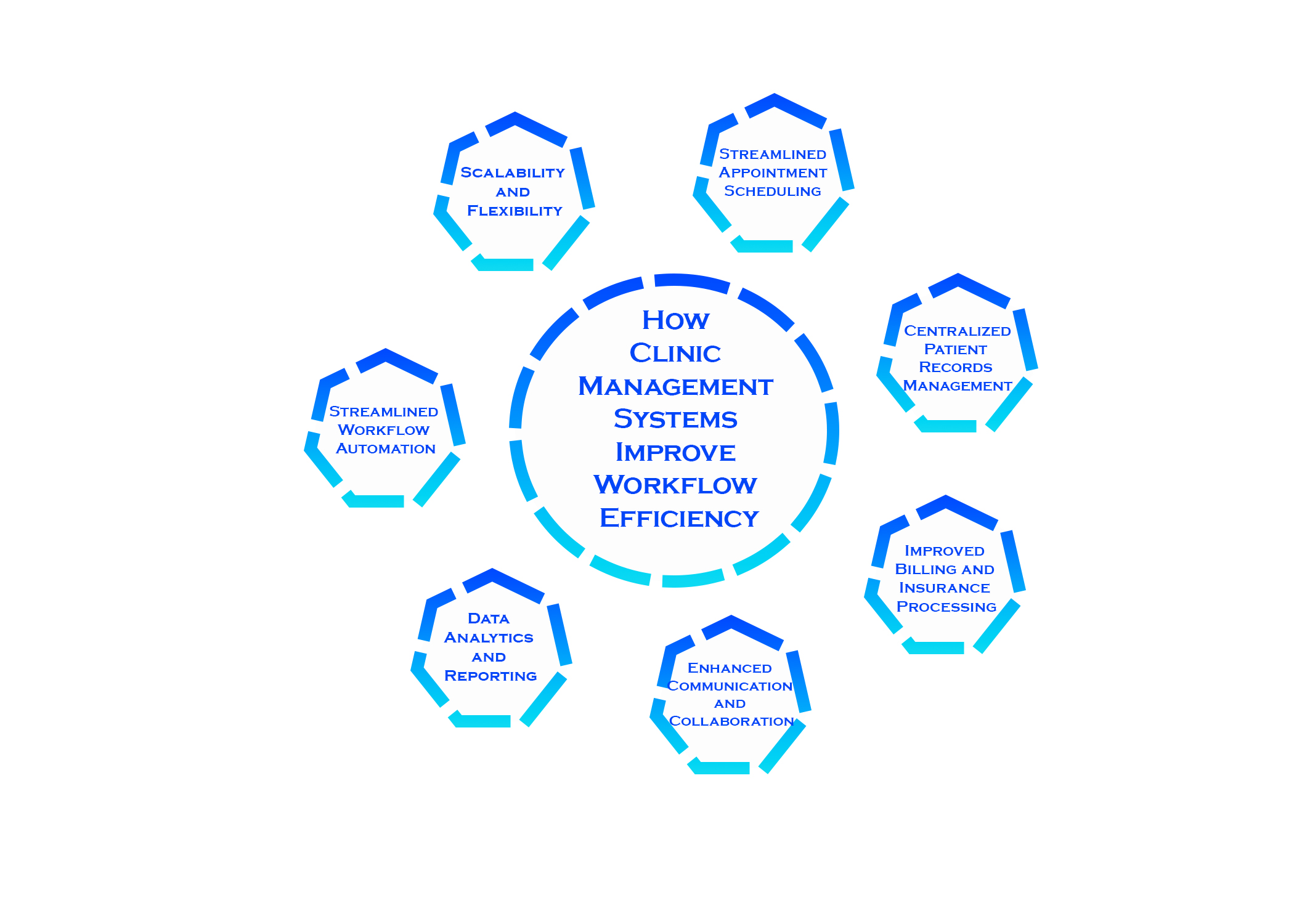
Effective coordination among healthcare teams is essential for delivering timely, safe, and high-quality care. Clinical workflow software enhances coordination in several ways:
Teams can communicate instantly, share updates, and access patient information in real time, reducing delays and improving accuracy.
The system highlights critical tasks and deadlines, ensuring that urgent care needs are addressed promptly.
Departments can view patient status, lab results, and treatment plans, facilitating coordinated decision-making and reducing redundant tests.
Automation of standard procedures ensures that all staff follow the same protocols, improving consistency and patient safety.
| Feature | Traditional Workflow | Clinical Workflow Software |
|---|---|---|
| Communication | Phone calls, paper notes, face-to-face meetings | Real-time messaging, alerts, and notifications within the system |
| Task Management | Manual tracking with checklists or spreadsheets | Automated task assignment, tracking, and prioritization |
| Patient Data Access | Limited access, multiple logins, paper-based records | Centralized EHR access for all authorized staff |
| Reporting | Manual reports, time-consuming, prone to errors | Automated dashboards with real-time analytics |
| Resource Coordination | Manual scheduling of staff, equipment, and rooms | Data-driven scheduling and resource optimization |
| Hospital | Challenge | Solution Implemented | Outcome |
|---|---|---|---|
| City General Hospital | High coordination errors and delayed treatments | Implemented clinical workflow software with EHR integration | Reduced errors by 40% and improved treatment timelines |
| Metro Health Clinic | Poor task visibility across departments | Task tracking and alert notifications for teams | Enhanced coordination and accountability, faster patient care |
| Sunrise Medical Center | Fragmented communication between lab, nursing, and physicians | Real-time messaging and centralized patient information | Improved inter-department communication and reduced duplication of tests |
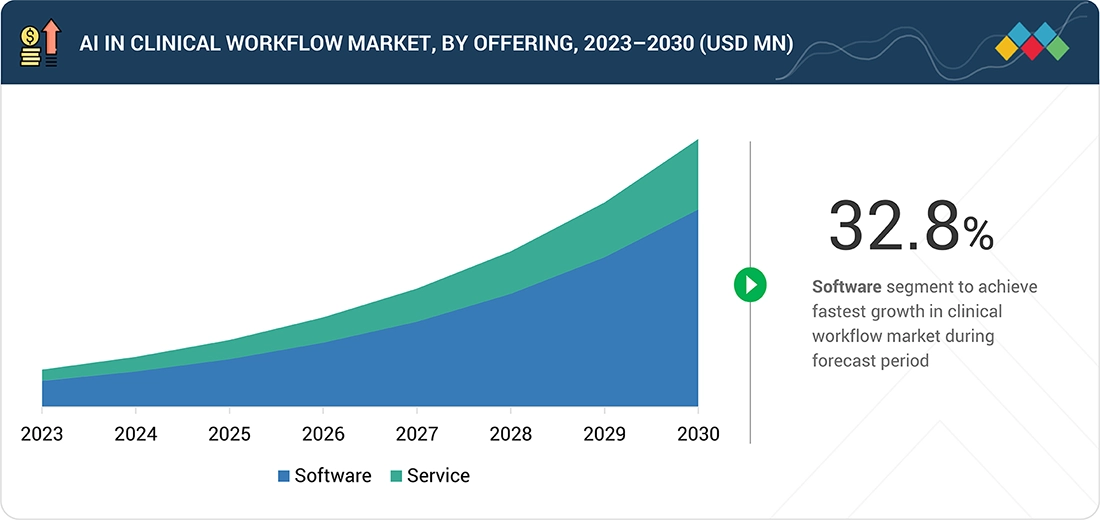
Clinical workflow software is transforming healthcare operations by improving coordination, communication, and task management among healthcare teams. Hospitals adopting such solutions see better efficiency, reduced errors, and enhanced patient care.
BM Coder provides robust clinical workflow management software designed to streamline hospital operations and optimize collaboration among healthcare teams. Upgrade your hospital workflows today by contacting us via email or connecting directly on WhatsApp.
Author: parth
