
MSME
Registered

Wedline
Registered

We Deliver
Clutch

28+ Reviews

250+ Projects
Completed

125+ Happy
Clients
MSME
Registered
Wedline
Registered
We Deliver
Clutch
28+ Reviews
250+ Projects
Completed
125+ Happy
Clients
Date: 07-04-2026
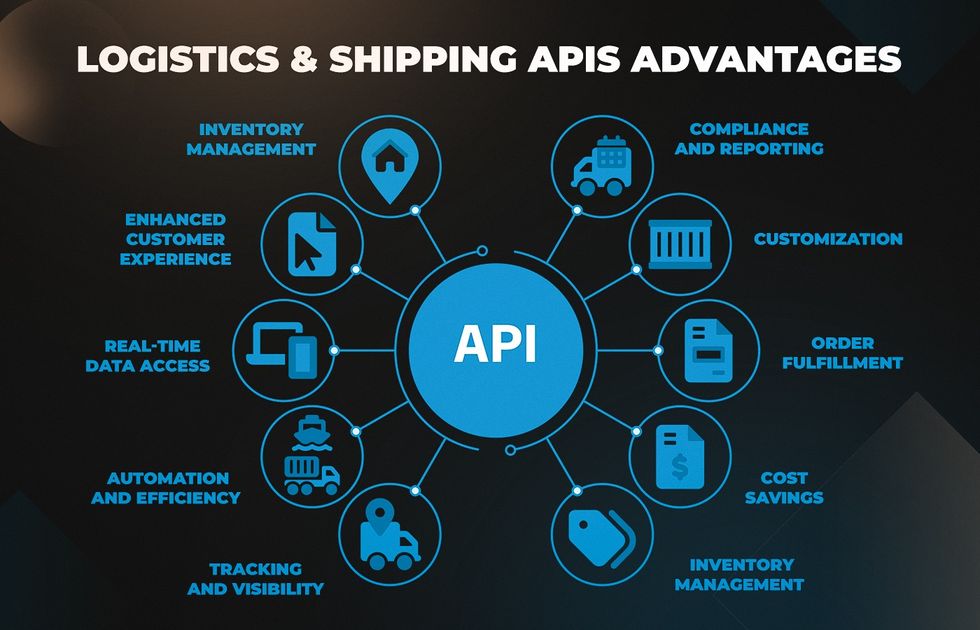
This is where API integration in logistics plays a transformative role. APIs (Application Programming Interfaces) allow different logistics systems to communicate with each other in real time, enabling seamless data flow and improved operational efficiency.
If you are planning to build or upgrade your logistics platform, investing in custom logistics software development solutions can help you implement robust API integrations tailored to your business needs.
API integration refers to the process of connecting multiple software systems so they can exchange data automatically. In logistics, APIs connect systems such as:
This integration ensures that all systems work together instead of operating in isolation.

The logistics industry depends heavily on real-time data and coordination. Without API integration, companies often rely on manual processes, which are prone to errors and delays.
| Without API Integration | With API Integration |
|---|---|
| Manual data entry | Automated data synchronization |
| Delayed updates | Real-time tracking |
| High operational costs | Optimized workflows |
| Disconnected systems | Unified ecosystem |
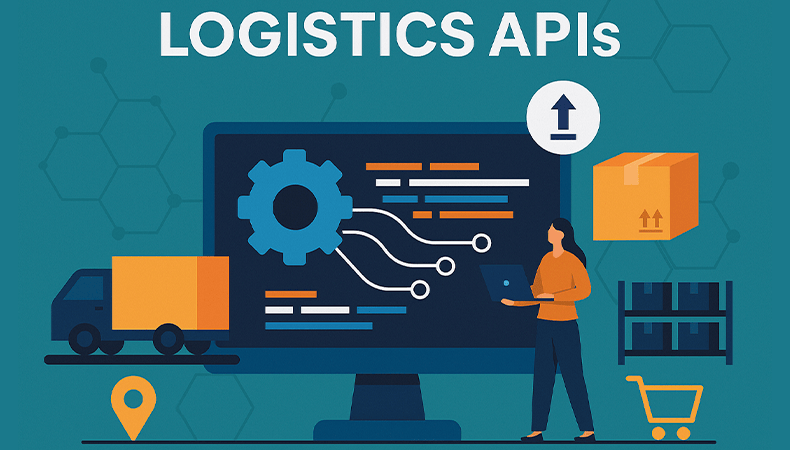
API integration ensures that data is updated instantly across all platforms. This helps logistics companies track shipments, monitor inventory, and manage operations in real time.
By automating processes, APIs reduce the need for manual intervention. This leads to faster operations and fewer errors.
Customers expect real-time updates on their shipments. APIs enable live tracking and automated notifications, improving customer satisfaction.
With access to accurate and real-time data, businesses can make informed decisions quickly.
API-driven systems can easily scale as your business grows, allowing you to add new features and integrations without major disruptions.
| API Type | Function | Example Use Case |
|---|---|---|
| Shipping APIs | Connect with courier services | Generate shipping labels |
| Tracking APIs | Provide real-time shipment updates | Live delivery tracking |
| Payment APIs | Handle online transactions | Freight payment processing |
| Mapping APIs | Route optimization | GPS tracking and navigation |
BM Coder specializes in building scalable and secure logistics software with advanced API integrations.
📧 Email: [email protected]
💬 WhatsApp: +91 9586979730
APIs connect eCommerce platforms with logistics systems, automatically transferring order details for processing.
Warehouse systems receive real-time updates on incoming and outgoing shipments, improving inventory accuracy.
APIs integrate GPS and telematics systems to track vehicle location, fuel usage, and delivery status.
Businesses can connect with multiple logistics providers through APIs, ensuring smooth coordination.
| Challenge | Solution |
|---|---|
| Data Security | Use secure authentication (OAuth, API keys) |
| System Compatibility | Use middleware solutions |
| Integration Complexity | Hire experienced developers |
| Maintenance | Regular updates and monitoring |
The cost of integrating APIs into logistics systems depends on several factors:
| Integration Type | Estimated Cost |
|---|---|
| Basic API Integration | $2,000 – $5,000 |
| Mid-Level Integration | $5,000 – $15,000 |
| Advanced Enterprise Integration | $15,000+ |
For a detailed breakdown, you can explore our guide on logistics platform development pricing.
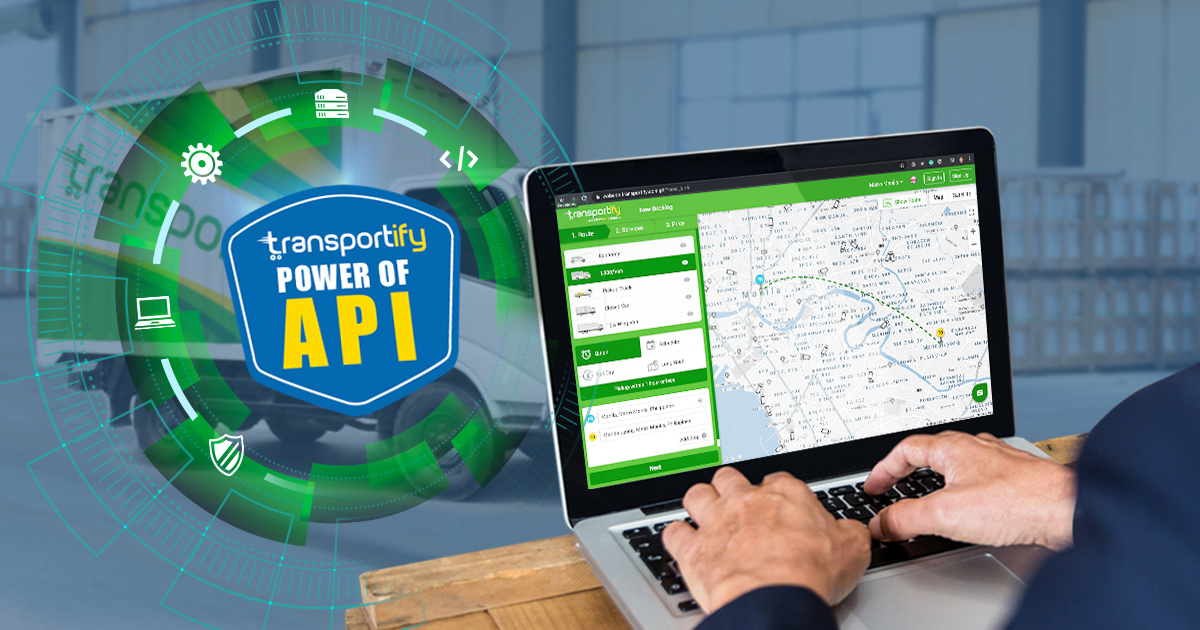
The future of logistics is driven by digital transformation. Technologies like AI, IoT, and blockchain will further enhance API capabilities, making logistics systems smarter and more connected.
Companies that adopt API integration early will gain a competitive advantage by improving efficiency, reducing costs, and delivering better customer experiences.
Partner with BM Coder to build powerful logistics software with seamless API integrations.
📧 Email: [email protected]
💬 WhatsApp: Chat on WhatsApp
API integration is no longer optional for logistics businesses—it is essential. By connecting systems and enabling real-time data exchange, APIs create a unified and efficient logistics ecosystem.
Whether you are a startup or an enterprise, investing in logistics API integration will help you streamline operations, improve customer satisfaction, and scale your business effectively.
Author: parth
