
MSME
Registered

Wedline
Registered

We Deliver
Clutch

28+ Reviews

250+ Projects
Completed

125+ Happy
Clients
MSME
Registered
Wedline
Registered
We Deliver
Clutch
28+ Reviews
250+ Projects
Completed
125+ Happy
Clients
Date: 13-04-2026
In today’s fast-paced global economy, logistics companies face increasing pressure to deliver goods faster, more efficiently, and with complete transparency. From managing fleets and tracking shipments to handling warehouse operations and customer communications, logistics systems must work together flawlessly. However, many organizations still struggle with fragmented systems that operate in silos.
This is where API integration plays a transformative role. APIs (Application Programming Interfaces) enable different logistics systems to communicate with each other, ensuring seamless data flow across platforms. Whether it's connecting transportation management systems (TMS), warehouse management systems (WMS), or third-party logistics (3PL) providers, APIs bridge the gap and eliminate inefficiencies.
If you're exploring building or upgrading logistics software, understanding the cost of logistics software development is equally crucial to plan scalable API integrations effectively.
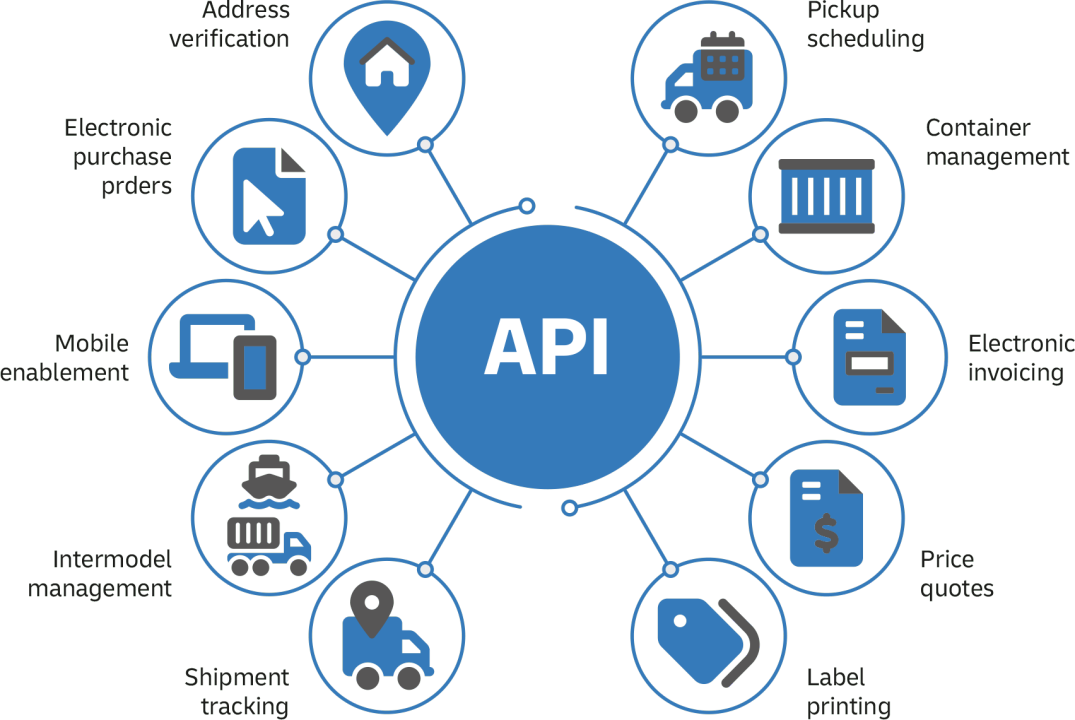
API integration refers to the process of connecting different software systems through APIs so they can exchange data in real-time. In logistics, APIs enable communication between:
Instead of manually transferring data between systems, APIs automate the process, ensuring accuracy and speed.
Seamless data flow is the backbone of modern logistics operations. Without it, companies face delays, errors, and inefficiencies. Here’s why it matters:
| Challenge | Impact Without API Integration | Benefit With API Integration |
|---|---|---|
| Data Silos | Disconnected systems and inconsistent data | Unified data across all platforms |
| Manual Processes | Higher error rates and delays | Automation and real-time updates |
| Limited Visibility | Difficulty tracking shipments | End-to-end visibility |
| Customer Experience | Delayed updates and poor communication | Real-time tracking and notifications |
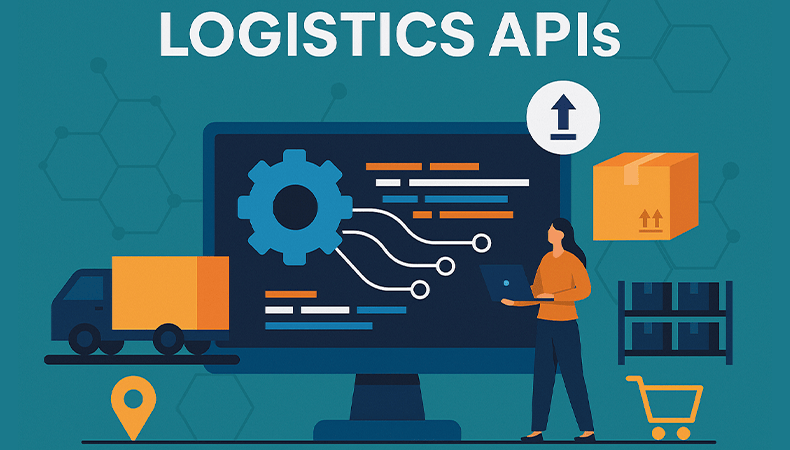
API integration connects multiple critical systems in logistics. Let’s explore the most important ones:
TMS platforms manage route planning, freight optimization, and carrier selection. APIs connect TMS with carriers, GPS tracking, and ERP systems.
WMS handles inventory, picking, packing, and storage. API integration ensures real-time synchronization with order management and shipping platforms.
OMS tracks orders from placement to delivery. APIs ensure accurate order processing and status updates across systems.
These systems monitor vehicle performance, fuel usage, and driver behavior. APIs enable real-time tracking and predictive maintenance insights.
APIs connect businesses with external logistics partners, enabling seamless coordination and data sharing.
API integration follows a structured process to ensure smooth communication between systems:
This process happens in real-time, ensuring up-to-date information across all platforms.
| API Type | Description | Use Case |
|---|---|---|
| REST APIs | Lightweight and widely used | Shipment tracking, order updates |
| SOAP APIs | More secure but complex | Enterprise-level integrations |
| Webhooks | Event-driven APIs | Real-time notifications |
| GraphQL | Flexible data queries | Custom dashboards |

APIs provide instant access to shipment status, inventory levels, and delivery updates. This transparency helps businesses make informed decisions.
Automation eliminates manual data entry, reducing errors and saving time.
By optimizing operations and reducing inefficiencies, API integration lowers operational costs.
Customers receive real-time updates, improving satisfaction and trust.
APIs make it easier to integrate new systems as your business grows.
APIs connect carriers with tracking systems, enabling customers to monitor deliveries in real-time.
Warehouse and inventory systems stay synchronized, preventing stockouts or overstocking.
Invoices are generated automatically based on shipment data.
APIs integrate with GPS and mapping tools to optimize delivery routes.
While API integration offers numerous benefits, it also comes with challenges:
| Challenge | Solution |
|---|---|
| System Compatibility | Use standardized APIs |
| Data Security | Implement encryption and authentication |
| Integration Complexity | Work with experienced developers |
| Maintenance | Regular updates and monitoring |

The future of logistics is driven by automation, AI, and IoT. APIs will continue to play a critical role in enabling:
As technology evolves, API integration will become even more essential for staying competitive.
At BM Coder, we specialize in developing robust logistics software solutions with seamless API integration. Our team ensures that your systems communicate efficiently, enabling real-time data flow and improved operational performance.
Whether you're building a new platform or upgrading existing systems, we provide end-to-end solutions tailored to your business needs.
API integration is no longer optional in logistics—it’s a necessity. By connecting systems and enabling seamless data flow, APIs enhance efficiency, reduce costs, and improve customer satisfaction. Businesses that invest in API-driven logistics solutions gain a significant competitive advantage in today’s dynamic market.
Let BM Coder help you build powerful, API-integrated logistics solutions that streamline operations and drive growth.
📧 Email us: [email protected]
📱 WhatsApp: +91 9586979730
Author: parth
