
MSME
Registered

Wedline
Registered

We Deliver
Clutch

28+ Reviews

250+ Projects
Completed

125+ Happy
Clients
MSME
Registered
Wedline
Registered
We Deliver
Clutch
28+ Reviews
250+ Projects
Completed
125+ Happy
Clients
Date: 18-03-2026

Healthcare delivery is evolving rapidly, and multi-hospital networks face unique challenges in maintaining operational efficiency, compliance, and quality patient care. Enterprise hospital software is emerging as the solution to unify management across multiple facilities, providing a centralized, scalable, and secure platform for healthcare administrators.
BM Coder specializes in developing enterprise hospital management systems designed for multi-hospital networks, enabling real-time coordination, data centralization, and streamlined workflows. If your organization is ready to modernize hospital operations, reach out to us via email or connect instantly on WhatsApp.
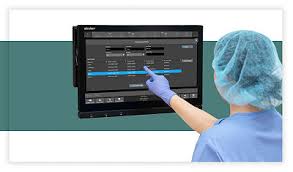 Enterprise hospital software (EHS) is a robust digital solution designed to manage operations across multiple hospitals or clinics within a healthcare network. Unlike single-hospital management systems, EHS consolidates administrative, clinical, and financial processes across various locations under one platform.
Core capabilities typically include:
Managing several hospitals or clinics comes with complexities not seen in single-hospital operations. Enterprise hospital software addresses these challenges efficiently:
Patients may visit different hospitals within the network. Enterprise software ensures that all their medical records, lab results, and treatment history are unified and easily accessible to authorized staff across all locations.
By standardizing workflows across multiple hospitals, administrators can ensure consistent processes, reduce redundancy, and optimize staffing and resource allocation.
Enterprise software provides real-time tracking of medical supplies and pharmaceuticals across facilities, reducing waste, avoiding stockouts, and improving cost management.
Ensuring regulatory compliance across multiple locations can be challenging. Enterprise systems provide automated reporting, audits, and monitoring to meet healthcare regulations like HIPAA, ISO, or national healthcare standards.
| Benefit | Description | Impact on Network Operations |
|---|---|---|
| Centralized Management | Single dashboard to manage patient records, staff, and finances across all facilities | Improves decision-making, reduces administrative burden, and ensures standardization |
| Cost Savings | Consolidation reduces software licensing and IT infrastructure expenses | Optimizes budget allocation for multiple hospitals |
| Enhanced Patient Care | Unified medical records and standardized treatment protocols | Ensures continuity of care across all hospitals in the network |
| Real-Time Analytics | Comprehensive reporting on hospital performance, occupancy, and revenue | Supports strategic planning and operational improvements |
| Regulatory Compliance | Automated audits, standardized reporting, and secure data management | Reduces legal risks and ensures adherence to healthcare regulations |
It is important to understand how enterprise hospital software differs from standard hospital management systems:
| Feature | Enterprise Hospital Software | Traditional Hospital Software |
|---|---|---|
| Scope | Multi-hospital network | Single hospital |
| Data Integration | Centralized database accessible across locations | Local database with limited sharing |
| Scalability | Easily scalable to additional hospitals or clinics | Limited scalability, requires separate deployments |
| Analytics | Comprehensive analytics for the entire network | Reports limited to individual hospital data |
| Compliance Management | Centralized regulatory oversight | Requires manual compliance management at each site |
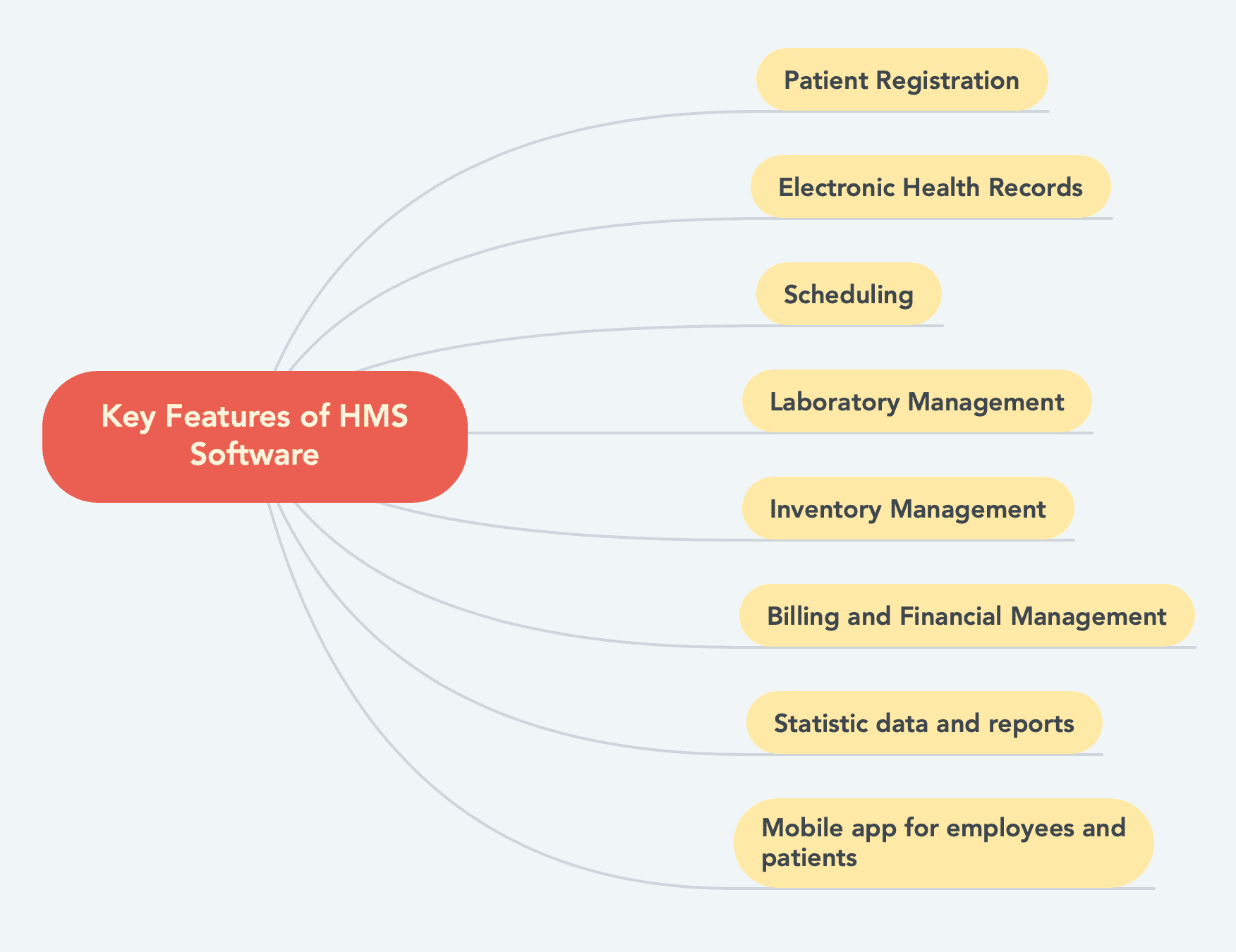
Running a multi-hospital network presents unique challenges. Enterprise software addresses them effectively:
Challenge: Patient information scattered across locations leads to inefficiencies.
Solution: Centralized EMR and cloud-based data storage ensure accurate, real-time access to patient records network-wide.
Challenge: Billing and revenue collection vary across hospitals.
Solution: Network-wide billing, insurance integration, and automated reporting simplify finance management.
Challenge: Different hospitals follow varied protocols.
Solution: Standardized workflows and centralized guidelines ensure uniform operational efficiency.
Challenge: Multi-site compliance monitoring is resource-intensive.
Solution: Enterprise systems provide automated auditing and compliance reporting across all hospitals.
| Hospital Network | Challenge | Solution Implemented | Outcome |
|---|---|---|---|
| Global Health Network | Inconsistent patient records across 5 hospitals | Centralized EMR and cloud-based enterprise software | Unified patient records, improved treatment continuity |
| Sunrise Multi-Clinic Group | High operational costs and duplicate inventory | Integrated inventory and billing across network | Reduced costs by 30%, optimized stock management |
| CityCare Hospitals | Difficult to monitor multi-location compliance | Automated compliance tracking and reporting | Regulatory compliance streamlined, reduced audit penalties |
Enterprise hospital software is essential for healthcare networks aiming to improve operational efficiency, enhance patient care, and maintain regulatory compliance across multiple hospitals. By unifying patient records, centralizing administrative processes, and providing real-time analytics, enterprise solutions empower hospitals to operate as a cohesive, high-performing network.
BM Coder offers advanced enterprise hospital management solutions designed for multi-hospital networks. Transform your healthcare operations today by contacting us via email or connecting directly on WhatsApp.
Author: parth
